
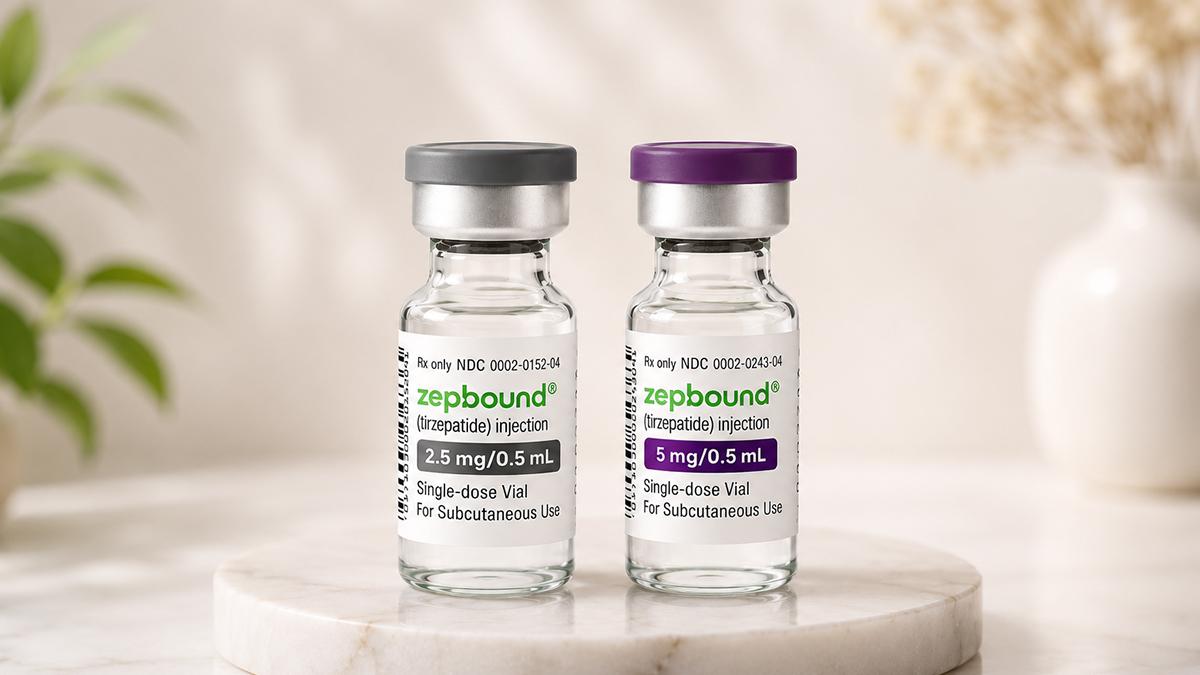
Tirzepatide may be an FSA-eligible medical expense when it is prescribed and used to treat a qualifying medical condition. Weight-loss treatment generally needs to be medically necessary rather than used only for appearance or general wellness. Your FSA administrator may also require a prescription, receipt, diagnosis and Letter of Medical Necessity before reimbursing the expense.
- Is Tirzepatide FSA Eligible?
- Why Medical Necessity Matters for FSA Eligibility
- What Documentation Do You Need to Use FSA for Tirzepatide?
- Can You Use FSA for Tirzepatide Without Insurance?
- Can You Pay for Tirzepatide Directly With an FSA Card?
- Is Tirzepatide HSA Eligible Too?
- Is Compounded Tirzepatide FSA Eligible?
- Does Zepbound Qualify for FSA?
- FSA vs. Health Insurance: What’s the Difference?
- How to Check If Your FSA Will Cover Tirzepatide
- Common Reasons an FSA Tirzepatide Claim May Be Denied
- How Much Can You Save by Using FSA for Tirzepatide?
- What Is Tirzepatide and How Does It Work?
- Who May Be a Candidate for Tirzepatide?
- Tirzepatide in Seattle: What Does Treatment Include?
- Tirzepatide at Seattle Plastic Surgery
- Why Medical Supervision Matters With Tirzepatide?
- About Dr. Craig Jonov
- Ready to Talk to a Provider About Tirzepatide?
- FAQs
Quick Answer
Tirzepatide can be FSA eligible, but only in certain cases. It works when a doctor prescribes it to treat a real medical problem, like obesity, type 2 diabetes, or high blood pressure. If you only want to lose a few pounds to look better, it usually will not count.
Your FSA plan will also ask for some paperwork before it pays you back. This often includes your prescription, a receipt, proof of your diagnosis, and sometimes a Letter of Medical Necessity from your doctor. Every plan has its own rules, so the safest move is to call your FSA administrator and ask before you buy or submit a claim.
Is Tirzepatide FSA Eligible?
Tirzepatide is a prescription medication, and prescription medicines can qualify as medical expenses under IRS rules. But with weight-loss treatment, the reason you are using the medication matters just as much as the prescription itself.
Treatment for a diagnosed condition is not the same as using a medication purely to lose a few pounds. The IRS draws a clear line between the two, and your FSA plan will follow that same line when it decides whether to reimburse a claim.
IRS Publication 502 states that prescribed medicines are includible medical expenses, and it specifically addresses weight loss: amounts paid to lose weight are includible when weight loss is treatment for a specific disease diagnosed by a physician, such as obesity, hypertension or heart disease. Weight loss undertaken solely for appearance, general health or well-being does not qualify.
Every FSA plan has its own documentation rules on top of the IRS rules, so it is worth verifying the expense with your plan administrator before you assume it will be reimbursed. Two people with the same prescription can have different outcomes depending on how their plan handles weight-loss claims.
When Is Tirzepatide More Likely to Qualify?
A tirzepatide claim tends to have a stronger case for FSA reimbursement in situations such as:
- Obesity diagnosed by a physician
- Overweight status accompanied by related health problems, such as high blood pressure or joint issues
- Type 2 diabetes
- Other medical conditions where a physician has prescribed tirzepatide as part of a treatment plan
The IRS has recognized obesity as a disease in its own guidance, which is part of why a physician diagnosis carries so much weight in these claims. None of these situations guarantees reimbursement on their own, though. Your plan administrator still reviews the documentation, and outcomes can vary by plan. The safest step is always to confirm eligibility before you submit a claim.
Why Medical Necessity Matters for FSA Eligibility
FSA eligibility for weight-loss treatment comes down to one central question: is this medical treatment, or is it usual wellness?
Weight Loss for a Diagnosed Medical Condition
When tirzepatide is prescribed to treat a condition your physician has diagnosed, such as obesity or type 2 diabetes, the expense is more likely to be treated as medical care. The prescription connects the treatment to a specific health problem rather than a general goal.
Weight Loss for Appearance or General Wellness
Wanting to lose a few pounds or improve how you look does not automatically make the expense FSA eligible. The IRS is specific on this point: weight loss for appearance, general health or well-being is excluded from medical expense treatment, even when a doctor is involved in some capacity. The distinction rests on whether a diagnosed disease is being treated, not on whether the person feels healthier afterward.
What Documentation Do You Need to Use FSA for Tirzepatide?
FSA administrators typically ask for supporting paperwork before they release funds for weight-loss medications, and whether tirzepatide FSA eligible status holds up often comes down to such paperwork as much as the diagnosis itself. The documents below are commonly requested, though requirements vary by plan.
| Document |
Why It May Be Needed |
| Prescription |
Shows tirzepatide was prescribed |
| Receipt |
Shows what you paid |
| Medical diagnosis |
Shows the medical reason for treatment |
| Letter of Medical Necessity |
May be requested by the FSA administrator |
| Itemized statement |
Helps document the expense |
| Provider information |
Identifies the prescribing professional |
A good practice is to keep the prescription, documentation of the diagnosed condition, a Letter of Medical Necessity when one is required, and copies of your receipts together in one place. Because requirements differ between administrators, contact yours directly before you submit a claim.
Do You Always Need a Letter of Medical Necessity?
Not always, but you should not assume you can skip it either. Some plans and administrators require an LMN (Letter of Medical Necessity) for weight-loss medications, and weight-loss claims tend to draw closer scrutiny than other prescription claims.
When an LMN is required, it must explain the diagnosed condition and why tirzepatide is medically necessary to treat it. Weight-loss program categories commonly call for an LMN, so it is worth checking with your plan administrator on the specifics before you submit anything.
Can You Use FSA for Tirzepatide Without Insurance?
Insurance coverage and FSA eligibility are two separate questions, and mixing them up leads to a lot of confusion. Your health insurance plan asks whether it will pay for a treatment. Your FSA asks whether the expense qualifies as a medical expense under the applicable tax rules and your plan’s terms.
A medication that your insurance declines to cover is not automatically excluded from FSA reimbursement. If the applicable requirements are met, tirzepatide could still qualify as an eligible expense even without insurance coverage behind it.
Can You Pay for Tirzepatide Directly With an FSA Card?
Paying With the FSA Card
Some providers and pharmacies accept an FSA debit card directly at the point of sale. Whether a specific provider does depends on that provider’s payment setup, so it is worth asking before your appointment.
Paying Out of Pocket and Requesting Reimbursement
If direct card payment is not an option, you may be able to pay out of pocket and then submit documentation for reimbursement, provided your plan allows it. Verify the exact payment and reimbursement steps with both your FSA administrator and your provider before treatment begins.
Is Tirzepatide HSA Eligible Too?
FSA and HSA rules overlap in many medical-expense situations, but the two accounts are not identical.
|
FSA |
HSA |
|
| Employer plan required |
Generally yes |
No, but an eligible HDHP is required |
| Funds roll over |
Depends on plan |
Generally yes |
| Prescription medication |
May qualify |
May qualify |
| Documentation |
Keep records |
Keep records |
| Administrator rules |
Vary |
Vary |
If your primary question is FSA eligibility, treat the HSA comparison as background context rather than the main event. The core medical-necessity standard applies to both types of accounts.
Is Compounded Tirzepatide FSA Eligible?
This question does not have a simple yes-or-no answer. Compounded medications can raise more documentation and eligibility questions beyond what applies to commercially manufactured products.
The prescription and the medical purpose behind it still matter most, but FSA administrators may apply specific requirements to compounded formulations. Confirm eligibility with your plan before purchasing, since compounded medications are treated differently from FDA-approved, commercially manufactured products in some review processes.
Does FDA Approval Determine FSA Eligibility?
No, these are two separate questions. FDA approval determines whether a drug has gone through the FDA’s review and approval process. FSA eligibility is determined under tax rules and your plan’s terms concerning qualified medical expenses. A medication’s FDA status does not by itself decide whether an FSA will reimburse it, and the reverse is also true. Each question has its own standard.
Does Zepbound Qualify for FSA?
Zepbound is an FDA-approved tirzepatide product indicated for chronic weight management. Its FDA approval does not automatically guarantee FSA reimbursement, though. Whether your FSA covers the expense still depends on the medical purpose behind the prescription and the documentation your plan requires.
ALSO READ: Is Zepbound FSA Eligible?
FSA vs. Health Insurance: What’s the Difference?
Health insurance asks: does my insurance plan cover this treatment?
FSA asks: is this expense a qualified medical expense under the applicable rules and my plan?
These are different questions with different answers. An insurance denial does not automatically mean an FSA denial. Treat each account and each coverage decision separately when you are figuring out your options. HealthCare.gov notes that FSA funds can go toward prescription medications and other out-of-pocket costs regardless of how your insurance plan handles a given treatment.
How to Check If Your FSA Will Cover Tirzepatide
- Ask your prescribing provider. Confirm that tirzepatide is medically appropriate for your situation.
- Check with your FSA administrator. Ask specifically whether prescribed tirzepatide is reimbursable for your diagnosed condition.
- Ask about a Letter of Medical Necessity. Find out whether your administrator requires one before you submit a claim.
- Keep your prescription. Save a copy for your records.
- Keep your receipts. Save itemized receipts and payment records as you go.
- Submit the expense. Follow your FSA administrator’s reimbursement process exactly as instructed.
- Keep your records. Hold on to your supporting documentation even after a claim is approved.
Common Reasons an FSA Tirzepatide Claim May Be Denied
A claim can be denied for several reasons, including:
- No prescription on file
- Missing receipt
- Missing diagnosis information
- An LMN was required but not provided
- The treatment was classified as general wellness
- The expense did not meet the plan’s specific requirements
- Documentation was incomplete
- The expense was already reimbursed through another source
- The FSA administrator requested additional information that was not supplied
These are possible reasons a claim might be denied, not a guaranteed outcome for every plan. Your specific administrator’s rules determine what actually happens with your claim.
How Much Can You Save by Using FSA for Tirzepatide?
The potential tax benefit depends on your individual tax situation and your FSA contribution structure, so there is no single savings figure that applies to everyone.
As a simple example: if you have a $500 eligible medical expense paid through pre-tax FSA funds, your actual savings depend on your applicable tax rate, since that expense is not taxed the way it would be if paid with after-tax income. Your FSA contribution limit is also a separate consideration from the cost of the medication itself, and staying within that limit is part of planning ahead for treatment costs.
What Is Tirzepatide and How Does It Work?
Tirzepatide acts on GIP and GLP-1 pathways in the body, working on both together, which is part of what distinguishes it from earlier GLP-1-only medications. In practice, it can reduce appetite, increase feelings of fullness after eating, and affect blood sugar regulation. It is used under medical supervision, with dosing adjusted over time based on how a patient responds.
Who May Be a Candidate for Tirzepatide?
Candidacy is based on a wider evaluation rather than any single factor. Providers typically consider weight history, BMI, related health conditions, previous weight-loss attempts, current medications, medical history, contraindications and lifestyle readiness together. BMI alone does not automatically lead to a prescription; it is one data point among several that a provider weighs during an evaluation.
Tirzepatide in Seattle: What Does Treatment Include?
Anyone researching Tirzepatide Seattle options will find that medically supervised treatment generally involves an initial evaluation, provider supervision throughout treatment, a weight-management plan customized to the individual, guidance on diet and exercise, and ongoing regular appointments to monitor progress and modify the plan as needed.
Providers usually consider several factors together, including:
- Weight history
- BMI
- Related health conditions
- Previous weight-loss attempts
- Current medications
- Medical history
- Contraindications
- Lifestyle readiness
BMI alone does not automatically lead to a prescription; it is one data point among several that a provider weighs during an evaluation.
Tirzepatide at Seattle Plastic Surgery
For people in the Seattle area who are considering medically supervised tirzepatide treatment, Seattle Plastic Surgery offers a provider-guided approach. Treatment begins with an evaluation to determine whether tirzepatide is appropriate based on a patient’s health history and weight-management goals, followed by a personalized plan that includes medication, diet and exercise guidance, and monthly follow-up appointments.
Why Medical Supervision Matters With Tirzepatide?
Tirzepatide is a prescription medication, and patients bring different medical histories, health conditions and medication lists into treatment. Doses may need to change over time, and side effects require monitoring throughout treatment. Other medications a patient is taking can also affect how tirzepatide should be managed. A qualified provider is positioned to evaluate all of these factors and determine whether treatment is appropriate for a given patient.
About Dr. Craig Jonov
Dr. Craig Jonov is a board certified plastic surgeon with more than 20 years of experience serving patients in Seattle and nearby areas. He completed his medical training at the Medical College of Pennsylvania, followed by a General Surgery residency and additional fellowship training in cosmetic and reconstructive surgery. His experience spans both surgical and nonsurgical treatments, including medically supervised weight-management care
Ready to Talk to a Provider About Tirzepatide?
If you are looking for medically supervised tirzepatide in Seattle, Seattle Plastic Surgery provides individualized weight-management care based on your medical history and goals. Contact the practice to schedule an evaluation and find out whether tirzepatide is the right fit for you.
FAQs
Is tirzepatide FSA eligible?
It may be, when it is prescribed to treat a diagnosed medical condition and your plan’s paperwork requirements are met. It is not automatically eligible in every case.
Can I use my FSA to pay for tirzepatide?
You may be able to, either by paying with an FSA card where accepted or by paying out of pocket and requesting reimbursement, depending on how your plan is set up.
Do I need a prescription for FSA reimbursement?
Yes, a prescription is a basic requirement for using FSA funds toward tirzepatide, along with any other documentation your plan requests.
Do I need a Letter of Medical Necessity for tirzepatide?
You may. Some plans require one for weight-loss medications, while others do not. Ask your FSA administrator directly before you submit a claim.
Is compounded tirzepatide FSA eligible?
It depends on the applicable rules, the medical necessity behind the prescription, and your plan’s specific requirements for compounded medications. Confirm eligibility before purchasing.
Is Zepbound FSA eligible?
Zepbound is FDA-approved for chronic weight management, but FSA reimbursement still depends on the medical purpose of the prescription and your plan’s documentation rules.
Is tirzepatide HSA eligible?
It may be, under a similar medical-necessity standard as FSA plans, though HSA and FSA accounts have different structural rules.
Can I use FSA if insurance does not cover tirzepatide?
Possibly. Insurance coverage and FSA eligibility are decided under different rules, so an insurance denial does not automatically rule out FSA reimbursement.
Can I use FSA for tirzepatide for cosmetic weight loss?
Generally, no. Weight loss for appearance or general wellness does not meet the medical-necessity standard the IRS applies to weight-loss expenses.
How do I get reimbursed for tirzepatide through FSA?
Save your prescription, receipts and any needed diagnosis or Letter of Medical Necessity, then submit them to your FSA administrator following their specific reimbursement process.

Dr. Craig Jonov is a board-certified cosmetic surgeon based in Lynnwood, serving the Seattle area. With extensive training in facial, breast, and body procedures, he combines surgical expertise with artistic precision to achieve natural-looking results. Dr. Jonov also specializes in advanced injectable treatments and non-surgical rejuvenation techniques. Recognized for his commitment to safety and innovation, he is an active member of leading cosmetic surgery organizations and is dedicated to providing personalized care tailored to each patient’s goals.