Free Consultation Book Online Instant Quote Now
se habla español
Call 206-202-1939 Book Online
Free Consultation Instant Quote Now
se habla español
Instant Quote
Botox

$219(20 Units)
Botox
$299$249 (30 Units @ $8.30 per unit)
Procedure Time
30 - 60 minutes
Recovery Time
24-48 hours

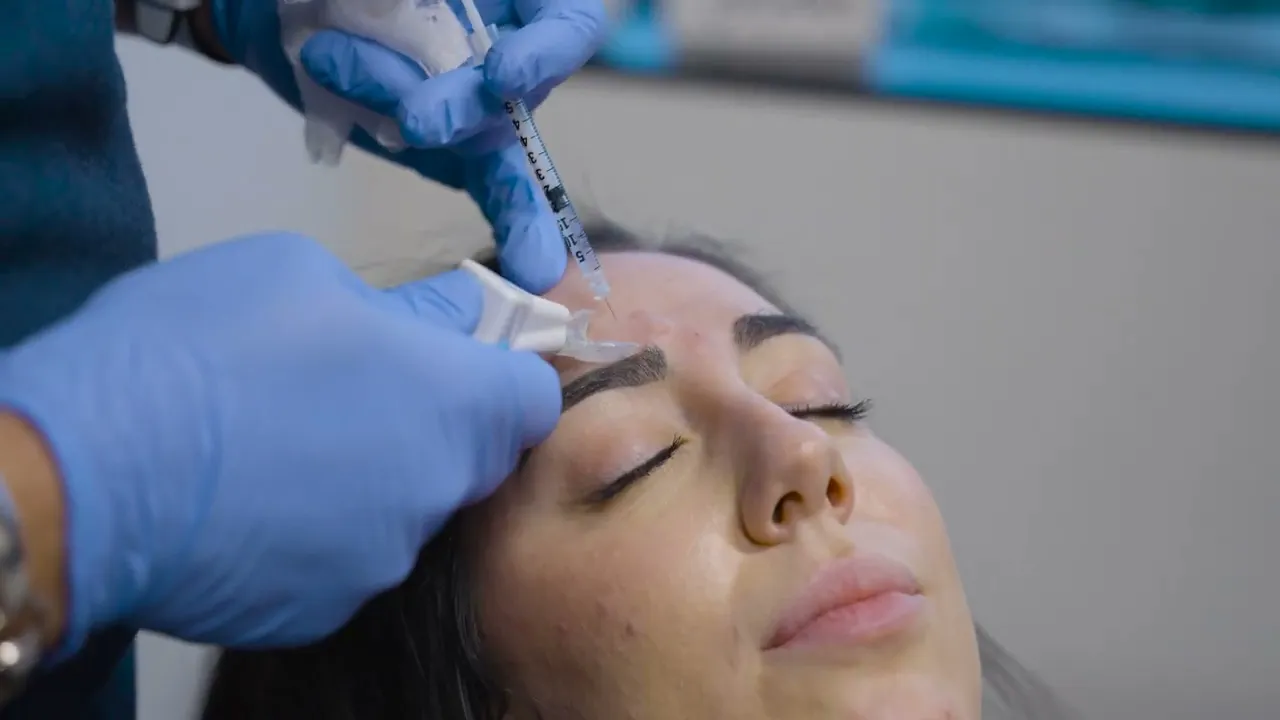
BOTOX in Seattle at Seattle Plastic Surgery can be completed in as quickly as fifteen minutes for repeat patients. First, the experienced physician or injector identifies the proper injection sites to achieve the desired results. Then, an injector injects the desired dose of BOTOX into the skin in a series of small, generally painless injections. There is little to no downtime involved with this treatment. Sometimes a small raised bump may remain for the few hours following the injection. It may take a few days for the treated wrinkles to begin to flatten and smooth out. By one to two weeks post-treatment, the anti-aging effects of the product will be visible.

Botox Treatment Procedure at Seattle Plastic Surgery

Seeing the treatment can make it easier to know what to expect. The video below shows a Botox appointment, including how the treatment areas are assessed and how the injections are performed.

Video

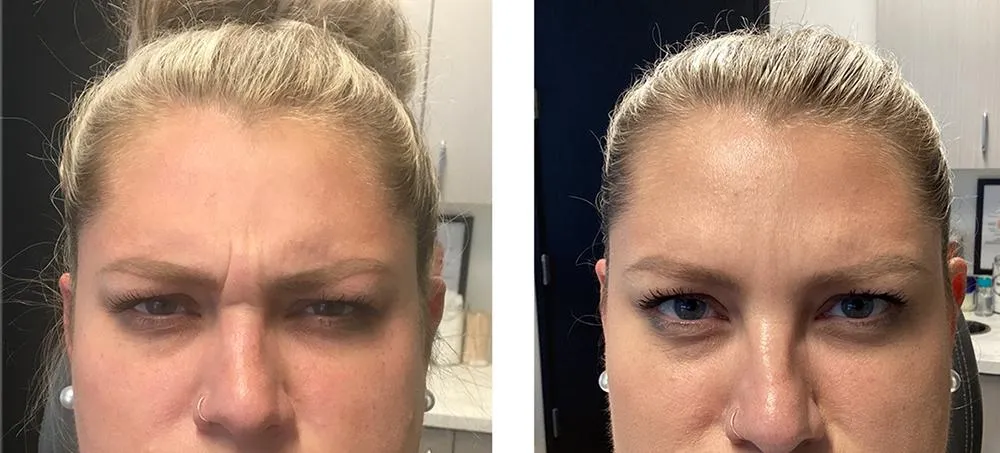
I had a very pronounced frown line and decided to see if botox might help it relax and soften it. I was pleasantly surprised that my results were so much better than I expected. Dr. Jonov was very nice and informative. He explained to me about the procedure and answered any questions that I had. Staff is truly friendly and fantastic. I highly recommend them to anyone.

Naylea

Best Results Ever!

What Is Botox?

Botox is an injectable treatment that temporarily relaxes specific muscles. When certain facial muscles move again and again, they can create lines and wrinkles over time. By reducing the movement of those muscles, Botox can soften some of these lines and give the skin a smoother look.

It is especially useful for wrinkles that appear or become deeper when you make facial expressions, such as frown lines, forehead lines and crow’s feet.

Botox does not add volume to the face. That is one of the main differences between Botox and dermal fillers. Botox works on muscle movement, while fillers are used to add or restore volume in selected areas.

The goal is not always to stop every facial movement. The amount used can be adjusted based on the area being treated and the look you want.

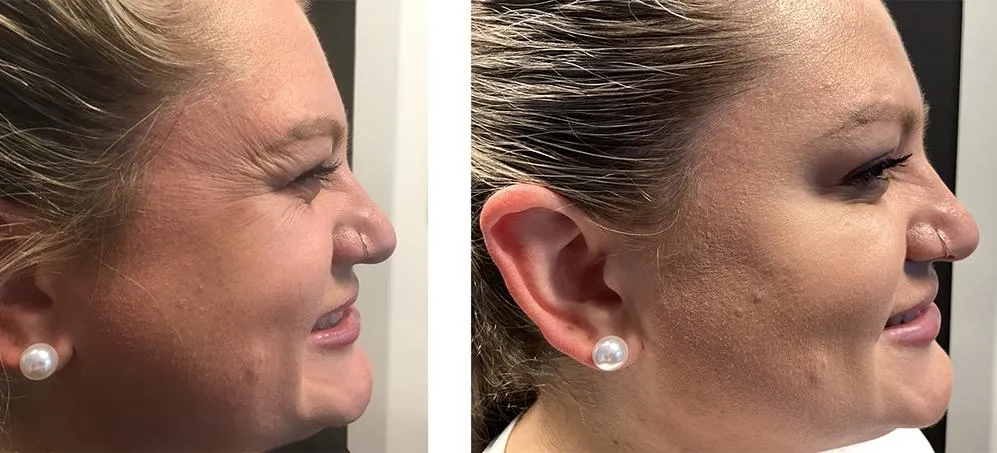
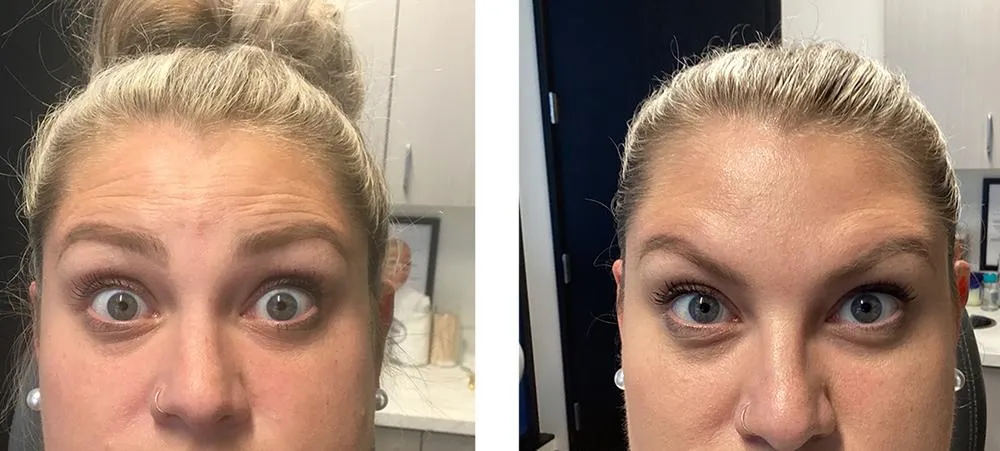
Botox Before & After Results

botox-before-after-09
botox-before-after-10
botox-before-after-11

What Areas Can Botox Treat?

At Seattle Plastic Surgery, we use Botox for many areas and treatments. The most popular uses of Botox are the classic cosmetic uses like frown lines and forehead lines. Other popular treatments and areas include:

Cosmetic Botox Areas

Video

Other Botox Treatments

In addition to these cosmetic uses, Seattle Plastic Surgery also offers Botox injections for medical purposes like chronic migraines and hyperhidrosis. Botox is FDA approved to treat these conditions and can provide temporary relief. Much like cosmetic Botox , your injections will need to be refreshed occasionally.

How Many Units of Botox Do I Need?

The number of Botox units required varies widely between area and patient. Some patients receiving Botox in the same area may even use different amounts. During your initial consultation with your provider, they will examine the area and your goals to determine how many units of Botox you may need. Therefore, you may still need additional units depending on how your body responds to the treatment.

On an individual basis, you may require more units of BOTOX if you:

  • Have a larger facial structure/ facial muscles
  • Workout strenuously more than a few times a week
  • Have a faster than average metabolism
  • Want more dramatic or “frozen” looking results
  • Have more muscle mass
  • Want to treat deeper wrinkles

How Much Does Botox Cost in Seattle?

At Seattle Plastic Surgery Botox in Seattle costs $219 for 20 units or $249 for 30 units. The $8.30 per-unit price applies when you purchase 30 units for $249.

The number of units you need depends on the areas being treated, so the total cost can be different from one patient to another.

If you are treating several areas during the same visit, your injector can explain how many units may be appropriate for each area before treatment begins.

When Will I See Botox Results?

BOTOX does not usually change the appearance of wrinkles immediately after the injections.

You may start to notice a difference after a few days as the treated muscles become less active.

Results usually become more noticeable during the first one to two weeks.

The timing can vary from person to person and also depends on the area treated. Your injector can tell you what to expect based on your treatment.

How Long Does Botox Last?

BOTOX commonly lasts around three to six months, although the exact amount of time can vary from person to person.

Your result can depend on the treatment area, muscle activity, how your body responds to BOTOX and whether you have had the treatment before.

As the effect gradually wears off, the treated muscles begin to move again and the wrinkles may slowly become more visible.

If you like your result, your injector can discuss when another treatment may be appropriate.

Botox Recovery and Aftercare

BOTOX usually involves little to no downtime. Most people can return to normal activities soon after treatment.

You may notice a small raised bump at an injection site shortly after the injections. Mild redness, swelling, bruising or tenderness can also happen. These effects are usually temporary.

What should you avoid after Botox?

Your injector may give you specific instructions based on your treatment. In general, you may be advised to:

  • Avoid strenuous exercise for a period after treatment.
  • Avoid rubbing or putting pressure on the treated areas.
  • Follow the instructions you receive about lying down after your injections.
  • Be gentle with the treated areas immediately after treatment.

How long after Botox can you lay down?

Your injector may recommend waiting around 90 minutes before lying down. Follow the specific instructions given to you after your treatment, since aftercare can depend on the areas treated.

If you have questions after your injections, ask your injector rather than relying on a general rule found online.

Is Botox Safe?

BOTOX has been used for cosmetic and medical treatments for many years. Like any injection, it can have side effects, so it is important to understand what can happen before treatment.

Common temporary effects can include:

  • Redness
  • Swelling
  • Bruising
  • Tenderness
  • Mild discomfort
  • Headache

Less common problems can include unwanted weakness in nearby muscles, drooping of the eyelid or brow, or an uneven appearance.

The location and amount of BOTOX matter because the product affects muscle activity. Careful treatment planning is especially important when injections are being placed near the eyes, brows, mouth or other areas where small changes in muscle movement can affect your appearance.

Before treatment, tell your injector about your medications, medical conditions, allergies and any previous problems with injectable treatments.

Meet Your Botox Injectors

Your Botox treatment is performed by experienced aesthetic medicine providers who focus on cosmetic injections and facial aesthetics. They take into account your facial features, the areas you want to treat, and the amount of Botox that may be appropriate for your goals.

Botox treatments at Seattle Plastic Surgery are performed under the guidance of Board-Certified Cosmetic Surgeon Dr. Craig Jonov, Double Board-Certified Plastic Surgeon Dr. Tarak Patel, and Board-Certified Facial Plastic Surgeon Dr. Santos.

Botox vs. Dysport: What’s the Difference?

For many years, BOTOX reigned as the undisputed leader of non-surgical procedures. It was the only Botulinum toxin injection that was FDA approved for cosmetic use in the United States. However, in 2009, the FDA approved another Botulinum toxin injection for cosmetic use, Dysport. Dysport gained popularity in Europe and became an immediate competitor to BOTOX. They can both be used for certain facial wrinkles, but they are not identical products.

Some differences patients may hear about include how quickly they begin working, how the product spreads and how dosing is measured.

Dosing units for BOTOX and Dysport are not directly interchangeable, so the number of units used for one product should not simply be compared with the number used for the other.

Some people may prefer the way one product works for a particular area, while another person may respond differently.

Is Dysport better than Botox?

There is not one answer that applies to everyone.

The choice can depend on the treatment area, your muscle activity, your previous experience with injectable treatments and your injector’s approach.

The goal is to choose the product that fits your treatment rather than assuming one is always better.

What Is the Right Age for Botox?

There is no single age when everyone should start BOTOX.BOTOX is generally well tolerated by adults of many ages. Medical BOTOX is approved for adults and, for certain medical conditions, some pediatric patients. However, cosmetic BOTOX is generally not recommended for anyone under 18.

At our practice, injectors may use BOTOX for treatments such as a BOTOX lip flip or gummy smile in patients in their twenties. For most people, wrinkle treatment does not need to start until visible lines begin to appear.

When Should You Start Getting BOTOX?

Many people first consider BOTOX in their 30s or 40s, when wrinkles may become more noticeable. This is a common time to start, but there is no single right age for everyone.

BOTOX can be used safely in adults of different ages when it is appropriate for their needs. The decision depends on factors such as your skin, facial movement, and the type of lines you want to treat.

Can You Get Preventative BOTOX in Your 20s?

Yes. Preventative BOTOX, sometimes called “baby BOTOX,” has become popular among people in their twenties and early thirties.

Preventative BOTOX usually involves smaller amounts of BOTOX to reduce repeated muscle movement that can contribute to certain wrinkles over time. Some people choose this approach before deeper lines become noticeable.

If you are unsure whether you need BOTOX yet, an in-person assessment can help you make that decision.

Can Botox Treat All Types of Wrinkles?

Botox works best on wrinkles that are connected to muscle movement.Botox is often most helpful for the early signs of aging, especially fine lines and wrinkles caused by repeated facial movement. As the skin ages, some wrinkles can become deeper and stay visible even when the face is relaxed.

For deep-set lines and wrinkles, Botox alone may not give the results a patient wants. In these cases, other procedures, such as a brow lift, blepharoplasty, or facelift, may be considered. These treatments can address changes that Botox cannot fully correct.

This does not mean Botox stops working as you get older. It can still soften certain lines and may be used along with other treatments. Botox can also be used after many facial surgery procedures once the area has healed. When used at the right time, it may help maintain and enhance the results of surgery.

FAQs

How does Botox work? 

Botox temporarily relaxes specific muscles that cause expression lines. When these muscles move less, wrinkles such as forehead lines, frown lines, and crow’s feet can appear softer. The effect is temporary, so the muscles gradually return to normal movement over time. 

Does Botox hurt?

Most BOTOX injections are quick and generally cause little discomfort. A fine needle is used to place small amounts of product into the selected muscles.

How soon can I return to work after Botox?

Many people return to work or their usual daily activities shortly after treatment because BOTOX generally has little downtime. You may have temporary redness, swelling or small bumps at the injection sites.

Can Botox and dermal fillers be used together?

Yes. BOTOX and dermal fillers work in different ways, so they can sometimes be used during the same treatment plan. BOTOX reduces targeted muscle activity, while fillers add or restore volume in selected areas.

Can men get Botox?

Yes. Men can have BOTOX for many of the same concerns, including forehead lines, frown lines and crow’s feet. The treatment plan should be based on facial anatomy and the result the patient wants.

How often can Botox be repeated?

BOTOX does not permanently stop muscle activity. As its effect gradually wears off, another treatment may be considered. The timing depends on how long your result lasts and your individual treatment plan.

Is Botox permanent?

No. BOTOX temporarily reduces activity in the muscles that are treated. Muscle movement gradually returns as the effect wears off.

Ready to Explore Botox in Seattle?

If you are bothered by forehead lines, frown lines, crow’s feet or another area that changes when you make facial expressions, a consultation can help you understand whether BOTOX is the right treatment for you.

You can discuss the areas you want to improve, how much movement you want to keep and how many units may be appropriate for your treatment.

Schedule a Botox Consultation

Call 206-590-5276

Book Online