
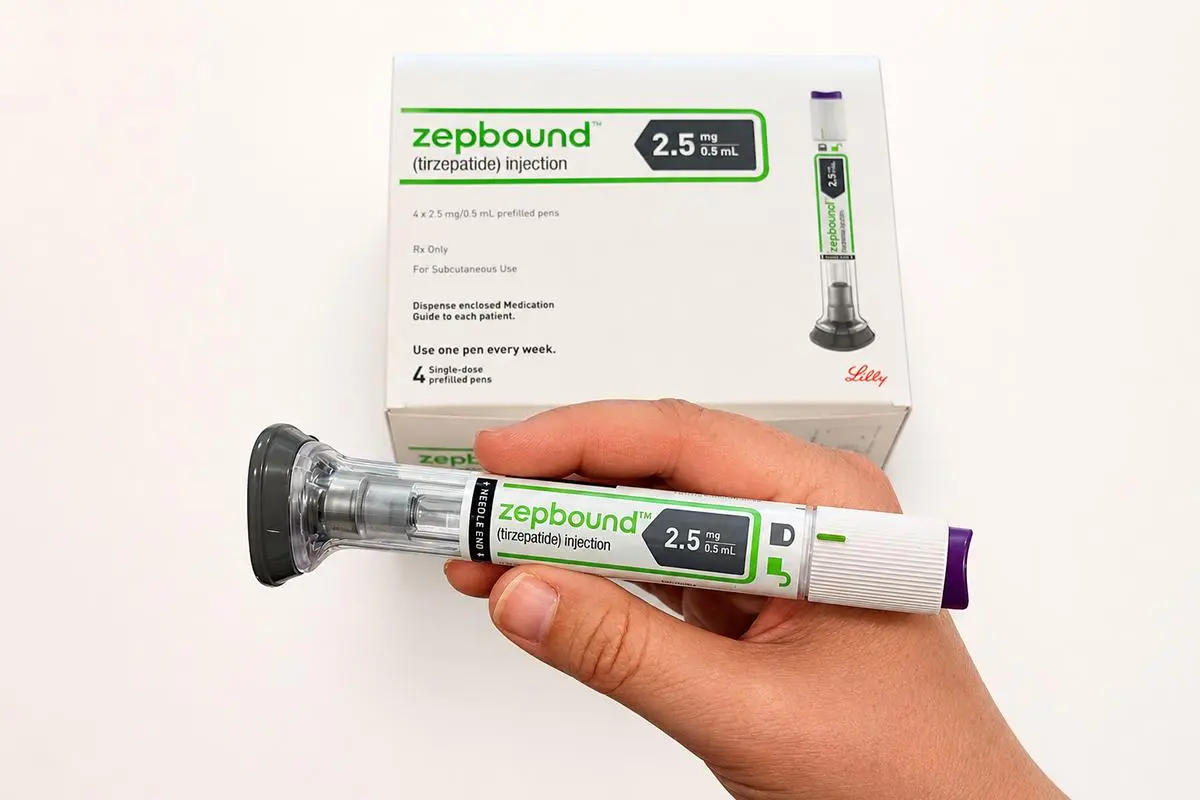
If you are thinking about starting Zepbound for weight loss, you probably have one big question on your mind: how am I going to pay for it? Weight loss medications can be pricey, and many people want to know if their Flexible Spending Account (FSA) can help. So, is Zepbound FSA eligible? Yes, in most cases, it is. Because Zepbound is an FDA-approved prescription medication, you can usually use your FSA dollars to pay for it. But there are a few important details you should know first, and this guide will walk you through all of them in plain, easy words.
What Is Zepbound and How Does It Work?
Before we talk about money, let’s quickly cover what Zepbound actually is. Zepbound is a weight loss medication made by Eli Lilly, and it was approved by the FDA in November 2023 for adults with obesity or people who are overweight with a weight-related health problem. It contains a drug called tirzepatide, which copies natural hormones in your body that control hunger and how your body handles food. In simple terms, it helps you feel full sooner and stay full longer, so you naturally eat less without feeling like you are starving yourself.
Zepbound Injections are given once a week using an easy pre-filled pen or vial. In clinical studies, people taking the medication lost around 15% to 20% of their body weight over time when they also followed a healthy diet and stayed active. That is why so many people are asking about ways to afford it.
Is Zepbound FSA Eligible? The Straight Answer
Yes, Zepbound is FSA eligible in most situations. Here is why: the IRS allows FSA money to be spent on prescription medications that treat a medical condition. Since Zepbound is a prescription drug approved by the FDA to treat obesity — which the medical world recognizes as a real health condition — it qualifies as an eligible medical expense under IRS rules (IRS Publication 502).
Key insight: Because Zepbound requires a prescription and treats a diagnosed medical condition, it is treated like any other prescription medicine by most FSA plans — not like a general wellness product.
This matters a lot, because things bought just for “general health,” like vitamins or gym memberships, usually do not qualify for FSA money on their own. But Zepbound is different. It is prescribed by a licensed provider to treat obesity or weight-related health issues, which puts it firmly in the eligible category for most FSA plans.
One thing to remember: every FSA plan is run by an administrator, and rules can vary slightly. A small number of plans may ask for extra paperwork, which we will explain next.
Do You Need a Letter of Medical Necessity for Zepbound?
Sometimes, yes. While many FSA administrators approve Zepbound right away because it is a prescription medication, some may ask for something called a Letter of Medical Necessity (LMN). This is simply a short note from your doctor or provider that explains why you need the medication — for example, that you have obesity or a weight-related condition like high blood pressure, sleep apnea, or prediabetes, and that Zepbound is part of your treatment plan.
Getting this letter is usually quick and easy. The provider who prescribes your medication can write it for you during your visit. If your FSA administrator asks for one, just submit it along with your receipt. It is a good idea to call your FSA administrator before you buy the medication, so you know exactly what they need. That way, your claim gets approved smoothly and you do not get stuck waiting for your money back.
Can You Use an HSA to Pay for Zepbound Too?
Good news — yes! If you have a Health Savings Account (HSA) instead of an FSA, the same basic rules apply. HSAs follow the same IRS guidelines for eligible medical expenses, so a prescription medication like Zepbound qualifies. In fact, HSAs can be even more flexible than FSAs because the money rolls over year after year and never expires, while most FSA funds must be used by the end of the plan year or you lose them.
This “use it or lose it” rule is actually a great reason to put your FSA money toward Zepbound. If you have leftover FSA dollars sitting in your account near the end of the year, using them for your weight loss medication is a smart, IRS-approved way to spend them instead of watching them disappear.
How Much Does Zepbound Cost Without Insurance?
Without insurance, Zepbound can cost around $1,000 or more per month at retail price. That is a lot, which is why FSA and HSA funds are so helpful. Eli Lilly also offers a self-pay program through LillyDirect, where single-dose vials start at around $349 to $499 per month depending on the dose, which is much cheaper than the retail pen price.
If you are looking for Zepbound Seattle options, medically supervised programs can bring the cost down even further. For example, Seattle Plastic Surgery offers a Zepbound weight loss program starting at just $199 per month — with the first month at $99 — which includes your consultation, a diet and exercise plan, dose management, and monthly follow-up appointments. Their team even submits a prior authorization to your insurance to help get your medication covered.
Start Your Zepbound Journey with Seattle Plastic Surgery
Wondering is Zepbound FSA eligible is a great first step — but the next step is finding the right team to guide you. At Seattle Plastic Surgery, patients in Seattle and Tacoma get a complete, medically guided Zepbound weight loss program that includes a personal consultation, monthly check-ins, a diet and exercise plan, and hands-on support with Zepbound Injections from day one. Their experienced medical team tailors every plan to your goals and even helps with insurance paperwork. Call 206-324-1120 or visit Seattle Plastic Surgery’s Zepbound program to book your free consultation today.
Sources
-
IRS Publication 502 – Medical and Dental Expenses: https://www.irs.gov/publications/p502
-
FDA Zepbound Approval Announcement: https://www.fda.gov/news-events/press-announcements/fda-approves-new-medication-chronic-weight-management
FAQs
Is Zepbound FSA eligible without insurance?
Yes. FSA eligibility does not depend on insurance coverage. As long as you have a valid prescription, you can use FSA funds to pay for Zepbound, even if your insurance denies coverage. Some plans may request a Letter of Medical Necessity.
Can I use my FSA card directly at the pharmacy for Zepbound?
Usually, yes. Most pharmacies accept FSA debit cards for prescription medications. If your card is declined, pay out of pocket, keep the receipt, and submit a claim for reimbursement.
Does FSA cover Zepbound for sleep apnea?
Yes. Zepbound is also FDA-approved for obstructive sleep apnea in adults with obesity, which makes it an eligible medical expense for that condition too.
Can I use FSA money for Zepbound doctor visits?
Yes. Consultations, follow-up appointments, and lab work related to your weight loss treatment are also FSA-eligible medical expenses.
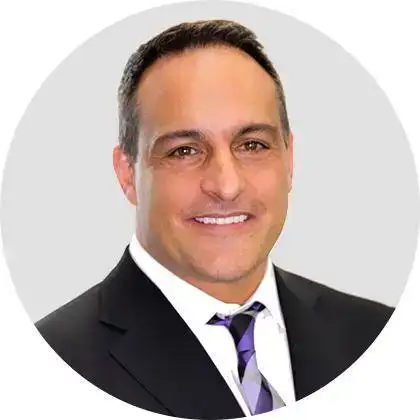
Dr. Craig Jonov is a board-certified cosmetic surgeon based in Lynnwood, serving the Seattle area. With extensive training in facial, breast, and body procedures, he combines surgical expertise with artistic precision to achieve natural-looking results. Dr. Jonov also specializes in advanced injectable treatments and non-surgical rejuvenation techniques. Recognized for his commitment to safety and innovation, he is an active member of leading cosmetic surgery organizations and is dedicated to providing personalized care tailored to each patient’s goals.