Free Consultation Book Online Instant Quote Now
se habla español
Call 206-202-1939 Book Online
Free Consultation Instant Quote Now
se habla español
Instant Quote
Pico Laser Seattle: Pico Laser Treatment for Melasma & Pigmentation

Pico Laser Seattle: Pico Laser Treatment for Melasma & Pigmentation

$600 per Session
$1,600 for 3 Sessions
Procedure Time
15-30 minutes
Treatment Frequency
2-4 weeks

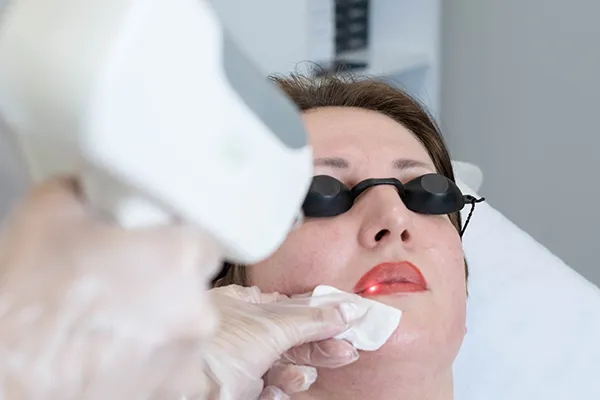
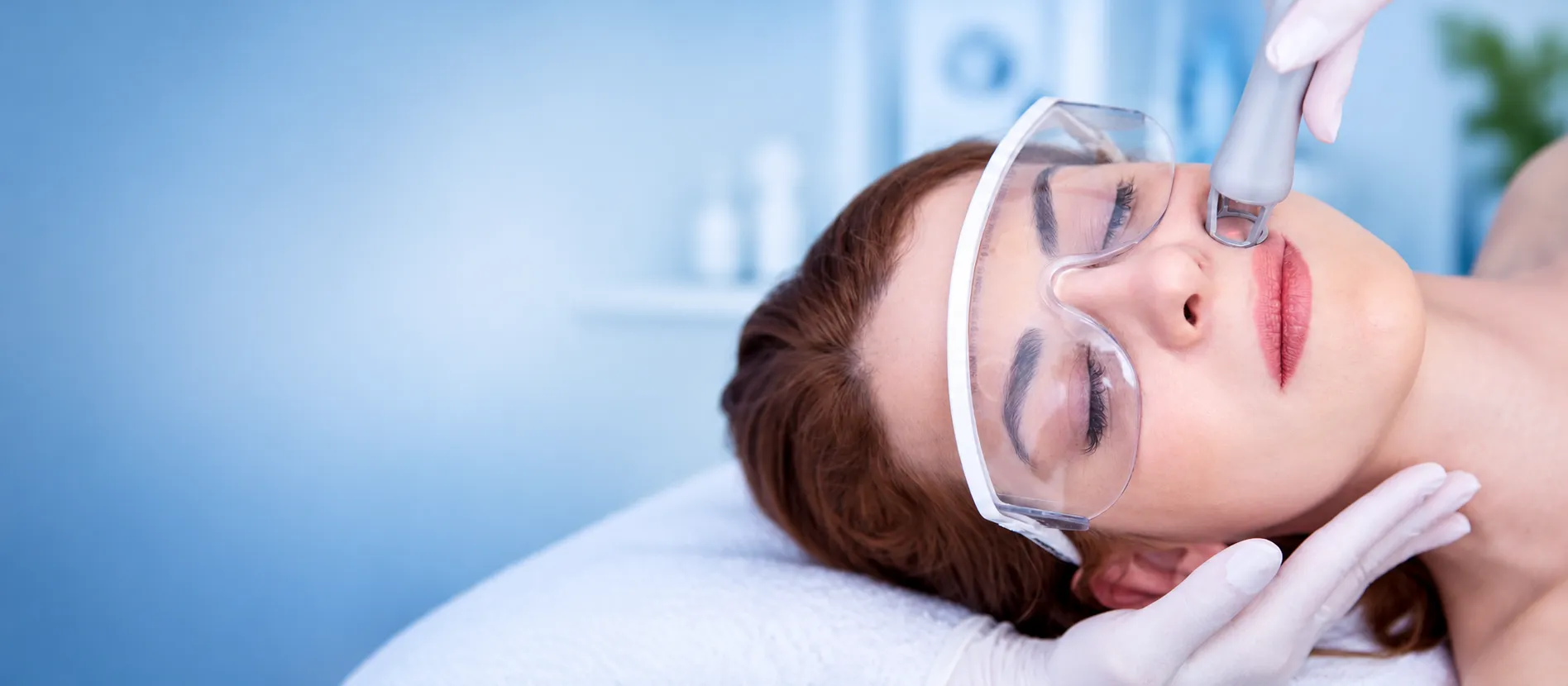
Melasma is one of the most stubborn forms of facial pigmentation. Creams fade it slowly, chemical peels irritate it, and heat-based lasers frequently make it darker. Pico laser treatment for melasma works differently. Picosecond pulses break melasma pigment apart through pressure rather than heat, which clears discoloration with less inflammation and a far lower risk of rebound.

Seattle Plastic Surgery provides pico laser treatment Seattle specifically for melasma on the cheeks, forehead, upper lip, nose, and chin. Licensed master aestheticians working under the direct guidance of board-certified plastic surgeons offer Pico Laser for Melasma & Pigment Removal in Seattle, WA

Every treatment plan is built around the depth of the pigment, the Fitzpatrick skin type, and the hormonal and sun-related triggers behind each patient’s melasma.
What Is Melasma?

What Is Melasma?

Melasma is a chronic pigmentation disorder that appears as symmetrical tan, brown, or gray-brown patches on the face. It affects women far more often than men and usually develops between the ages of 20 and 50. The condition is driven by overactive melanocytes, the cells that produce melanin, rather than by a single episode of sun damage.

Common Melasma Triggers

  • Hormonal changes from pregnancy, birth control pills, hormone replacement therapy, or thyroid conditions
  • UV exposure, including overcast Seattle days that still deliver UVA through the clouds
  • Visible light and heat from stoves, saunas, hot yoga, and screens
  • Genetics, especially a family history of melasma or medium to deep skin tones
  • Skin irritation from harsh products, waxing, or aggressive treatments

What Is Pico Laser Treatment for Melasma?

Pico laser treatment is a non-invasive skin procedure that uses ultra-short pulses of laser energy, measured in picoseconds (one trillionth of a second), to target and break down unwanted pigmentation into tiny particles that the body gradually eliminates. 

Unlike traditional heat-based lasers, pico laser technology primarily uses a photoacoustic effect to shatter pigment while minimizing heat exposure to surrounding skin. It is commonly used to treat melasma, sun spots, freckles, post-inflammatory hyperpigmentation, and uneven skin tone. The treatment can also stimulate collagen production, helping improve skin texture, fine lines, and enlarged pores.

What Is Pico Laser Treatment for Melasma?
Is Pico Laser Good for Melasma?

Is Pico Laser Good for Melasma?

Yes. Picosecond lasers are now considered the first-line laser treatment for melasma in most dermatology and plastic surgery settings. The reason comes down to heat.

Heat is one of the strongest melasma triggers. IPL, Q-switched nanosecond lasers, and fractional resurfacing all warm the skin while targeting pigment, and that warmth can stimulate melanocytes and produce a darker rebound within weeks. Patients who have tried IPL for melasma often describe this exact pattern: temporary lightening, then a return that is worse than before.

Pico laser melasma treatment delivers energy in trillionths of a second. The pulse is so short that melanin fractures from the pressure wave before heat can build in the surrounding tissue. Inflammation stays low, the skin barrier stays intact, and the risk of post-inflammatory hyperpigmentation drops significantly.

How Does Pico Laser Pigment Removal Work?

Pico laser treatment targets unwanted pigmentation through several stages.

Pigment fragmentation

Ultra-short laser pulses break melanin clusters into smaller particles that the body can gradually eliminate.

Conservative energy delivery

Melasma is generally treated using lower fluence and larger spot sizes than isolated sun spots or tattoos to minimize the risk of stimulating melanocytes.

Collagen remodeling

Pressure waves in the dermis can stimulate collagen and elastin production, potentially improving skin texture.

Gradual pigment clearance

Discoloration fades over approximately two to four weeks following each treatment as the body clears fragmented pigment.

What Skin Conditions Can Pico Laser Treat?

Pico laser treatment for pigmentation can address several forms of benign discoloration on the face, neck, chest, and hands.

Conditions that may respond to treatment include:

Melasma

Epidermal, dermal, and mixed melasma.

Solar lentigines

Commonly known as sun spots or age spots.

Freckles

Small areas of concentrated pigmentation.

Post-inflammatory hyperpigmentation

Dark marks resulting from acne, eczema, or skin injuries.

Cafe-au-lait macules

Light to dark brown pigmented patches.

Sun damage

Blotchy pigmentation and uneven skin tone.

Skin texture concerns

Fine lines, enlarged pores, and rough texture due to collagen stimulation.

Benefits of Choosing Pico Laser for Melasma and Pigmentation?

Benefits of Choosing Pico Laser for Melasma and Pigmentation?

  • Heat can aggravate melasma: Intense pulsed light (IPL), certain Q-switched lasers, and fractional resurfacing devices generate heat while targeting pigment. In susceptible skin, this may stimulate melanocytes and contribute to post-inflammatory hyperpigmentation or worsening discoloration.
  • Pico laser works through pressure, not heat: Ultra-short picosecond pulses break up pigment through a photoacoustic effect, which reduces thermal exposure to surrounding tissue.
  • Lower risk of rebound pigmentation: Less heat means less inflammation, which may lower the risk of pigmentation changes when compared with certain heat-based treatments.
  • Reaches pigment at multiple depths: The ability to target superficial and deeper discoloration makes pico laser for pigmentation a useful option for epidermal, dermal, and mixed melasma.

Who Is a Good Candidate for Pico Laser Treatment?

Pico laser treatment may be appropriate for patients who:

  • Have brown or gray-brown facial patches that have not cleared with creams or peels
  • Have experienced rebound darkening after IPL or other heat-based lasers
  • Have a medium, olive, or deep skin tone and need a laser that is safe for the complexion
  • Are committed to daily sun protection and a maintenance plan
  • Are not pregnant or breastfeeding
  • Have not used oral isotretinoin in the past six months
  • Have no active infection, open wounds, or sunburn in the treatment area

A consultation is necessary to determine whether pico laser treatment is appropriate. The aestheticians at the clinic evaluate skin condition, medical history, pigmentation type, and potential risks before recommending treatment.

Who Is a Good Candidate for Pico Laser Treatment?

What to Expect During Pico Laser Treatment at Seattle Plastic Surgery

A pico laser Seattle appointment includes an initial consultation, preparation, the treatment session, and post-treatment recovery.

Consultation

The provider examines the skin under magnification and may use a Wood's lamp to determine whether the melasma is epidermal, dermal, or mixed. The appointment covers hormone history, sun habits, current skincare, and any previous treatments that made the melasma worse. The visit ends with a session plan, pricing, and a pre-treatment protocol.

Preparation

  • Retinoids, acids, and scrubs are paused for the period the provider recommends
  • Unprotected sun exposure is avoided for at least two weeks before each session
  • Broad-spectrum SPF 50 is used daily throughout the treatment course
  • A topical brightening agent may be started several weeks in advance to quiet melanocyte activity

Treatment Session

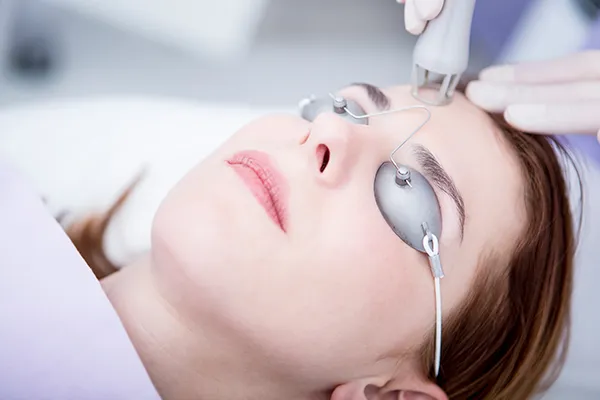
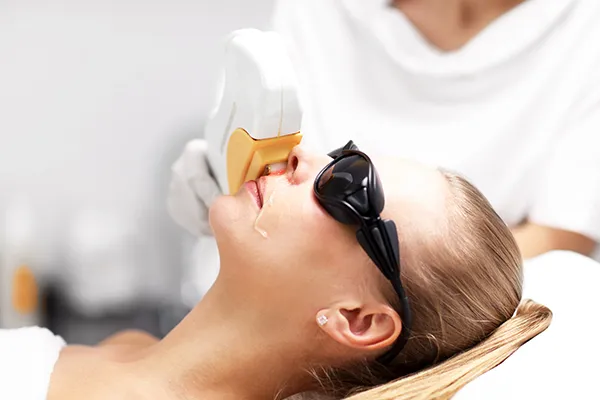
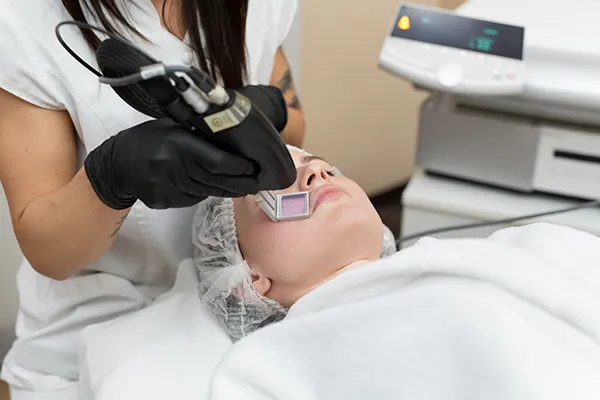
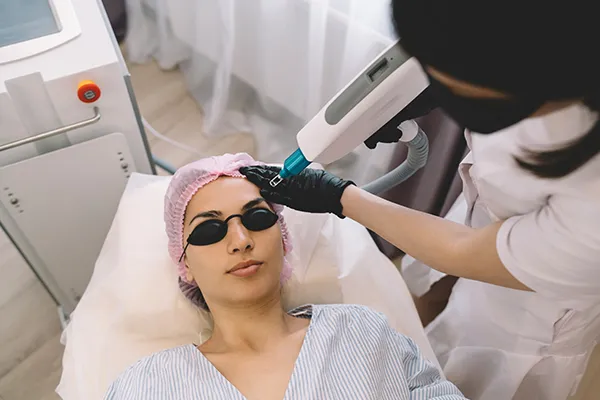
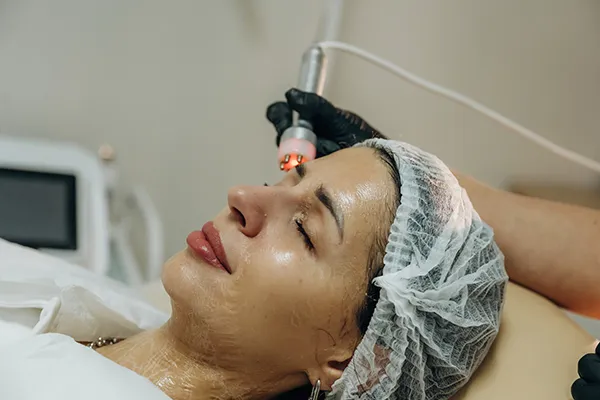
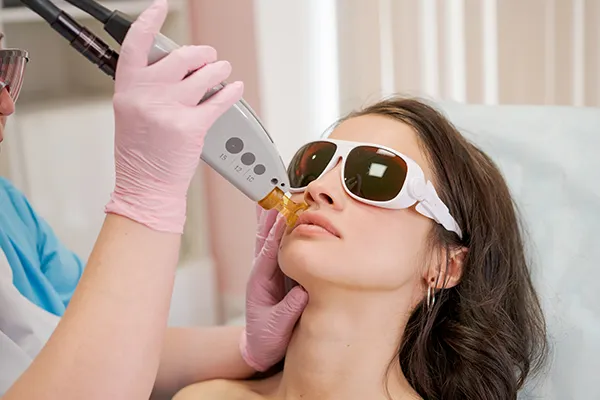
Each session takes 15 to 30 minutes. Numbing cream is available but rarely needed. Most patients describe the sensation as a quick snap against the skin. The handpiece passes over the melasma patches in a controlled pattern, and cooling is applied as needed.

Results

Brightening is often visible within one to two weeks of the first session. Melasma patches lighten progressively across the series, with the clearest results appearing four to eight weeks after the final treatment. Because melasma is chronic, results are maintained with sun protection, skincare, and periodic touch-up sessions.

Pico Laser Recovery?

Pico Laser Recovery?

Pico laser treatment delivers targeted pigment clearance with virtually no disruption to your daily routine:

  • Minimal to no downtime: Most patients return to work and everyday activities immediately following their appointment.
  • Preserved skin barrier: Photoacoustic pressure shatters pigment without causing the heat damage, crusting, scabbing, or prolonged peeling typical of traditional lasers.
  • Mild, transient reactions: Slight redness, minor swelling, and a warm sensation similar to a light sunburn typically resolve within 24 to 48 hours.
  • Gradual clearance: Fractured pigment particles are naturally metabolized and cleared away by the lymphatic system over the next two to four weeks.

Pico Laser Side Effects and Aftercare

Potential Side Effects

  • Erythema and warmth: Mild redness and a light sunburn sensation typically resolve within a few hours to 48 hours.
  • Mild edema: Minor localized swelling can occur, particularly in delicate zones like the upper cheeks and lower eyelids.
  • Dryness and skin tightness: A temporary rough texture or mild flaking may develop over the first 3 to 5 days.
  • Transient pigment darkening: Isolated sun spots or freckles may temporarily darken before sloughing off, while melasma patches lighten gradually over 2 to 4 weeks without overt crusting.
  • Rare adverse risks: Prolonged redness, blistering, infection, hypopigmentation, or post-inflammatory hyperpigmentation (PIH), risks mitigated by conservative picosecond energy delivery and avoiding early heat exposure.

Aftercare Protocol

  • Apply broad-spectrum tinted mineral SPF 50: Wear daily and reapply regularly; tinted formulas containing iron oxides are essential to block both UV rays and melasma-triggering visible light.
  • Avoid excess heat for 24 to 48 hours: Skip hot yoga, saunas, steam rooms, hot showers, and strenuous workouts to prevent melanocyte reactivation and rebound pigmentation.
  • Pause active skincare: Discontinue retinoids (Retin-A, tretinoin), AHA/BHA exfoliating acids, benzoyl peroxide, and physical scrubs for 3 to 5 days, or until cleared by your provider.
  • Maintain barrier hydration: Cleanse with a mild, non-stripping cleanser and keep the treated skin hydrated with a bland, fragrance-free moisturizer.
  • Do not pick or scratch: Allow any micro-crusts, pigment flaking, or dry patches to shed naturally to prevent scarring or hyperpigmentation.
  • Report adverse reactions: Contact Seattle Plastic Surgery immediately if you experience blistering, worsening pain, severe swelling, or signs of infection.

How Many Pico Laser Sessions Are Needed?

Because melasma laser treatment works gradually, most patients start with a series of three sessions spaced 2 to 4 weeks apart. Deep or long-standing melasma may need additional sessions. After the initial series, a maintenance treatment every 3 to 6 months helps keep pigment stable through the summer months when UV exposure peaks.

How Much Does Pico Laser for Melasma Cost in Seattle, WA

The cost of Pico Laser for Melasma & Pigment Removal in Seattle, WA starts at $600 for a single session and for $1,600 for a series of 3 sessions.
The three-session package may be a suitable starting point for patients with melasma or pigmentation affecting multiple areas. However it’s recommended to get a consultation to get a  final quote as the total cost depends upon the area and the size of the treatment required.

Melasma vs. Other Types of Pigmentation

Melasma vs. Other Types of Pigmentation

Melasma behaves differently from typical sun spots and freckles. Understanding these differences helps determine the most appropriate treatment approach.

Melasma typically:

  • Appears as larger, symmetrical patches rather than isolated spots, commonly affecting the cheeks, forehead, upper lip, and bridge of the nose.
  • Develops due to overactive melanocytes, the cells responsible for producing melanin.
  • Can be triggered by hormonal changes associated with pregnancy, birth control, or hormone therapy.
  • Worsens with exposure to heat, visible light, and ultraviolet radiation.
  • Can affect the epidermis, dermis, or both layers of the skin.

Dermal and mixed melasma can be particularly challenging because the pigment is located deeper within the skin.

Sun spots and freckles may respond within one to three Pico laser sessions. Melasma generally requires a more conservative approach, additional sessions, and ongoing maintenance because it is a chronic condition.

Pico Laser vs. IPL vs. Chemical Peels for Melasma

Feature Pico Laser IPL Chemical Peels
Mechanism Photoacoustic pressure Photothermal energy Chemical exfoliation
Heat exposure Minimal Moderate to high None, but may cause irritation
Reaches dermal pigment Yes Limited No
Melasma rebound risk Lower with appropriate settings Potentially elevated Moderate with repeated use
Suitability for Fitzpatrick IV to VI Yes, at 1064 nm Generally limited Depends on peel formulation
Downtime Hours to 48 hours Several days 3 to 7 days of peeling
Collagen stimulation Yes Minimal Minimal

Why Choose Seattle Plastic Surgery for Pico Laser Treatment?

Melasma is a medical skin condition, and the setting where it is treated matters. Seattle Plastic Surgery delivers pico laser treatment in Seattle inside a surgical medical center, not a spa.

Surgeon-guided care

Licensed master estheticians perform every pico laser melasma treatment under the guidance of board-certified plastic surgeons.

A surgical medical center, not a med spa

Surgeons are on site, and treatment protocols, laser settings, and candidacy decisions are made with physician input.

Advanced laser expertise

The surgical team is recognized for pioneering new technology in facial plastic surgery and training other surgeons on current protocols.

Award-winning practice

The practice has been named among Seattle's top plastic surgery providers in the KING5 Best of Western Washington contest.

Free skin consultation

Each plan starts with a complimentary evaluation of pigment depth, skin type, and melasma triggers.

Medical-grade skincare

A surgeon-formulated product line supports pigment control between sessions.

Complete facial care under one roof

Pico laser can be combined with injectables, medical facials, or surgical options without outside referrals.

Convenient Seattle location

Located at 600 Broadway, Suite #320 on First Hill, with easy access from downtown and I-5. Patients travel from Bellevue, Kirkland, Tacoma, Everett, and across Washington.

Transparent pricing

$600 per treatment or $1,600 for a series of three, with no hidden fees.

Schedule Pico Laser Treatment for Melasma in Seattle

Melasma does not fade on its own, and every summer gives it another chance to spread. If you’re searching for Pico Laser Treatment for Melasma Near Me, Seattle Plastic Surgery offers treatment to help fade stubborn pigment without the heat that may make it worse. Treatments are performed by licensed master estheticians under board-certified plastic surgeon guidance. Call 206-324-1120 or book online to schedule a pico laser melasma consultation in Seattle today.

Frequently Asked Questions

Is pico laser good for melasma?

Pico laser may help improve melasma by breaking down excess pigment through a photoacoustic effect. Its relatively low thermal impact makes it a potential option for patients who are concerned about heat-related pigmentation changes. Results depend on the type of melasma, treatment settings, and ongoing skincare.

Can pico laser remove melasma permanently?

Pico laser can reduce existing melasma pigmentation, often significantly over three or more sessions. However, melasma is a chronic condition influenced by hormonal changes and environmental triggers. No laser treatment guarantees permanent removal. Consistent sun protection, topical treatments, and periodic maintenance may help preserve results.

Can pico laser make melasma worse?

Any laser treatment can potentially worsen melasma if inappropriate settings are used or post-treatment sun protection is inadequate. Pico laser generates less heat than many traditional laser approaches, but it does not eliminate the risk of post-inflammatory hyperpigmentation. Experienced providers use conservative settings and may perform test spots when appropriate, particularly on darker skin tones.

Is pico laser safe for melasma on darker skin?

The 1064 nm picosecond wavelength can be used across Fitzpatrick skin types I through VI. Its ability to target deeper pigmentation with limited thermal exposure makes it a potential option for patients with darker skin tones. However, treatment settings and individual skin characteristics must be evaluated before proceeding.

Does pico laser help with melasma when creams have failed?

Pico laser may help patients who have not achieved sufficient improvement with topical treatments. It can target pigment at different skin depths, including dermal pigmentation that topical products may not adequately address. A provider should first determine the type and depth of melasma.

Can pico laser treat melasma and sun spots at the same time?

Yes. Pico laser can treat both conditions during a treatment plan, although different settings may be necessary. Sun spots typically require higher energy and may respond within one to three sessions, while melasma generally requires lower energy and a more gradual treatment approach.

How long do pico laser results last?

Results vary according to the condition being treated. Improvements in sun spots and freckles may be long-lasting with consistent sun protection. Melasma can recur due to hormonal changes and sun exposure, so maintenance treatments may be recommended every three to six months.

Does pico laser treatment hurt?

Most patients tolerate pico laser treatment without numbing cream. The sensation is commonly compared to a rubber band snapping against the skin. Topical anesthetic is available for patients who prefer additional comfort.

What is the difference between pico laser and PicoSure or PicoWay?

PicoSure and PicoWay are brand names for picosecond laser platforms. Both use ultra-short pulses to target pigmentation through a photoacoustic effect, although their technologies and available treatment settings differ. The appropriate platform depends on the patient’s condition, skin type, and provider’s experience.

Book Online