
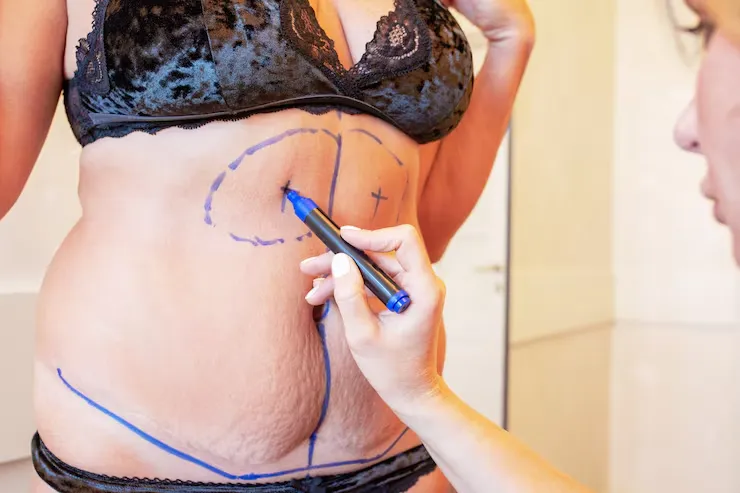
Fat cells removed during liposuction do not grow back in the treated areas. However, you can still gain weight after surgery because the remaining fat cells can become larger. Significant weight gain may affect your body shape and reduce your results. Maintaining a stable weight through healthy eating and regular activity can help you enjoy your liposuction results for years.
- Does Fat Come Back After Liposuction?
- How Does Liposuction Remove Fat Cells?
- Can Fat Return After Liposuction If You Gain Weight?
- What Happens If You Gain Weight After Liposuction?
- Does Fat Come Back in Other Areas After Liposuction?
- How Long Do Liposuction Results Last?
- How Can You Maintain Your Liposuction Results?
- Who Is a Good Candidate for Liposuction?
- Maintain Your Results With Liposuction at Seattle Plastic Surgery
- FAQs
Does Fat Come Back After Liposuction?
One of the most common questions patients ask before liposuction is whether the fat will return after surgery. It is a fair concern, especially when you have spent time trying to reduce stubborn fat around your stomach, waist, thighs, or arms.
The good news is that liposuction permanently removes fat cells from the treated areas. Once these cells are removed, they do not grow back. However, this does not mean your body can no longer store fat or that your weight will always stay the same.
Your body still has fat cells in both treated and untreated areas. If you gain weight after surgery, these remaining cells can grow larger and change your body shape. This is why maintaining a stable weight is important for keeping your results.
At Seattle Plastic Surgery, we explain that liposuction is designed to improve specific body areas rather than prevent future weight gain. Understanding how the procedure works can help you make a more informed decision about your treatment.
How Does Liposuction Remove Fat Cells?
Liposuction is a cosmetic surgery that removes unwanted fat from selected areas of the body. During the procedure, the surgeon makes small openings in the skin and uses a thin tube connected to a suction device to remove extra fat.
The number of fat cells in the treated area becomes smaller after surgery. This helps improve the shape and size of that area.
For example, if you have stubborn fat around your lower stomach that does not improve with exercise, liposuction can remove some of the fat cells from that area. Once you recover, your stomach may look flatter and more shaped.
However, liposuction is not a weight-loss procedure. It is generally more suitable for people who are close to their healthy weight but have specific areas of fat they want to reduce. The American Society of Plastic Surgeons explains that liposuction is used to remove stubborn fat deposits and improve body shape.
Can Fat Return After Liposuction If You Gain Weight?
Yes, your body can become larger again if you gain weight after liposuction. However, the reason is not that the removed fat cells have returned.
When you gain weight, the fat cells that remain in your body store more fat and become bigger. This can happen in both treated and untreated areas.
For example, imagine you had liposuction on your stomach and waist. After surgery, those areas have fewer fat cells than before. If you gain a significant amount of weight later, the remaining fat cells can expand, making your waist and stomach larger again.
The American Society of Plastic Surgeons explains that significant weight gain can affect liposuction results because the remaining fat cells can increase in size. This is why keeping your weight stable is important after surgery.
What Happens If You Gain Weight After Liposuction?
The effect of weight gain depends on how much weight you gain and how your body naturally stores fat.
If you gain a small amount of weight, you may notice that your body looks slightly fuller. The treated areas can also become larger because the remaining fat cells expand, although they have fewer fat cells than before surgery.
With more significant weight gain, the changes may become more noticeable. Your stomach, back, arms, thighs, or other areas may gain extra fat. Your original body shape may also become less defined.
It is important to understand that fat does not simply move from one body part to another after liposuction. Instead, weight gain changes the size of the fat cells that remain in different areas of your body.
Mayo Clinic explains that liposuction reduces the number of fat cells in a specific area, but future weight gain can still change your body shape.
Does Fat Come Back in Other Areas After Liposuction?
Fat does not move from the treated area to another part of your body. However, you may notice more weight gain in areas that were not treated.
For example, if you had liposuction on your abdomen, you may later notice extra fullness around your upper back, arms, or thighs if you gain weight. This can make it seem as though the fat has moved, but that is not what is happening.
Your genetics, body shape, hormones, and lifestyle all affect where your body stores fat. Liposuction changes the number of fat cells in the areas treated, but it does not change your body’s natural way of storing fat.
How Long Do Liposuction Results Last?
Liposuction results can last for many years because the fat cells removed during surgery are permanently gone. However, how long you maintain your new body shape depends partly on your weight and lifestyle.
You may notice some improvement shortly after surgery, but swelling and bruising can hide your final results during the early recovery period. As the swelling goes down, the treated areas become more defined.
Cleveland Clinic explains that it can take around three to six months for swelling to settle completely and for patients to see their more complete results.
Aging can also affect your body over time. Your skin may become less firm, and changes in weight can affect the way your treated areas look. This does not mean the removed fat cells have returned; it means your body continues to change naturally.
How Can You Maintain Your Liposuction Results?
Maintaining your results does not require an extreme diet or a difficult exercise routine. The main goal is to keep your weight stable and build healthy habits that you can follow over time.
Eating balanced meals with vegetables, fruits, protein, and other nutritious foods can help support a healthy weight. Drinking enough water and limiting frequent high-calorie snacks may also help.
Regular physical activity is another important part of maintaining your results. Walking, cycling, swimming, and strength exercises can help you stay active. Once your surgeon clears you to exercise after surgery, you can gradually return to your normal routine.
We also encourage patients to follow their recovery instructions instead of rushing back into exercise or heavy activities. Giving your body enough time to heal is just as important as maintaining healthy habits afterward.
Who Is a Good Candidate for Liposuction?
Liposuction may be a good option for adults who are in good general health, have a fairly stable weight, and struggle with stubborn fat in certain areas.
For example, some people exercise regularly and eat well but still have extra fat around their abdomen, waist, hips, thighs, or arms. Liposuction can help improve these areas when diet and exercise alone have not achieved the desired shape.
However, it is not designed to treat obesity, remove large amounts of weight, or tighten loose skin. If you have significant loose skin, your surgeon may discuss other procedures that may better address your concerns.
At Seattle Plastic Surgery, we consider your body shape, health, skin quality, and personal goals when discussing liposuction. Dr. Tarak Patel & Dr. Craig Jonov has more than 20 years of experience in cosmetic procedures involving the body, breasts, and face. Their experience helps inform discussions about body contouring, including which areas may benefit from fat removal and what results are realistic.
Maintain Your Results With Liposuction at Seattle Plastic Surgery
Liposuction can help reduce stubborn fat and improve the shape of areas that have not responded to diet and exercise. Although the removed fat cells do not return, maintaining a stable weight is important for keeping your results over time.
At Seattle Plastic Surgery, our surgeons take the time to understand each patient’s concerns and discuss a treatment plan that suits their body and goals and offers liposuction for patients looking to improve areas such as the abdomen, waist, hips, and thighs. If you are considering liposuction in Seattle or Tacoma, we can help you understand the procedure, expected recovery, and results you may achieve.
Sources
FAQs
Does fat return after liposuction if I gain 10 pounds?
Gaining 10 pounds may affect your results because the remaining fat cells can expand. How noticeable the change is depends on your body, where you naturally store fat, and your weight before surgery.
Can fat return to my stomach after liposuction?
Yes, your stomach can become larger again if you gain weight after liposuction. This happens because the remaining fat cells can grow, not because the removed fat cells have returned.
Can fat return after liposuction in other body areas?
You can gain fat in areas that were not treated, such as your arms, back, thighs, or abdomen. Your body continues to store fat naturally even after liposuction.
Does liposuction permanently remove fat cells?
Yes. Liposuction permanently removes fat cells from the treated areas. However, the procedure does not stop the remaining fat cells from becoming larger when you gain weight.
How long do liposuction results last?
Liposuction results can last for many years, especially when you maintain a stable weight. Aging, changes in weight, and natural changes in skin firmness can affect your appearance over time.
Can I get liposuction twice in the same area?
A second liposuction procedure may be possible in some cases, but it is not suitable for everyone. Your surgeon will need to assess your skin, remaining fat, healing, and previous surgical results before recommending another procedure.
Does liposuction prevent future weight gain?
No. Liposuction removes fat cells from selected areas but does not prevent weight gain. You can still gain weight after surgery, so maintaining healthy habits is important.
Dr. Craig Jonov is a board-certified cosmetic surgeon based in Lynnwood, serving the Seattle area. With extensive training in facial, breast, and body procedures, he combines surgical expertise with artistic precision to achieve natural-looking results. Dr. Jonov also specializes in advanced injectable treatments and non-surgical rejuvenation techniques. Recognized for his commitment to safety and innovation, he is an active member of leading cosmetic surgery organizations and is dedicated to providing personalized care tailored to each patient’s goals.