
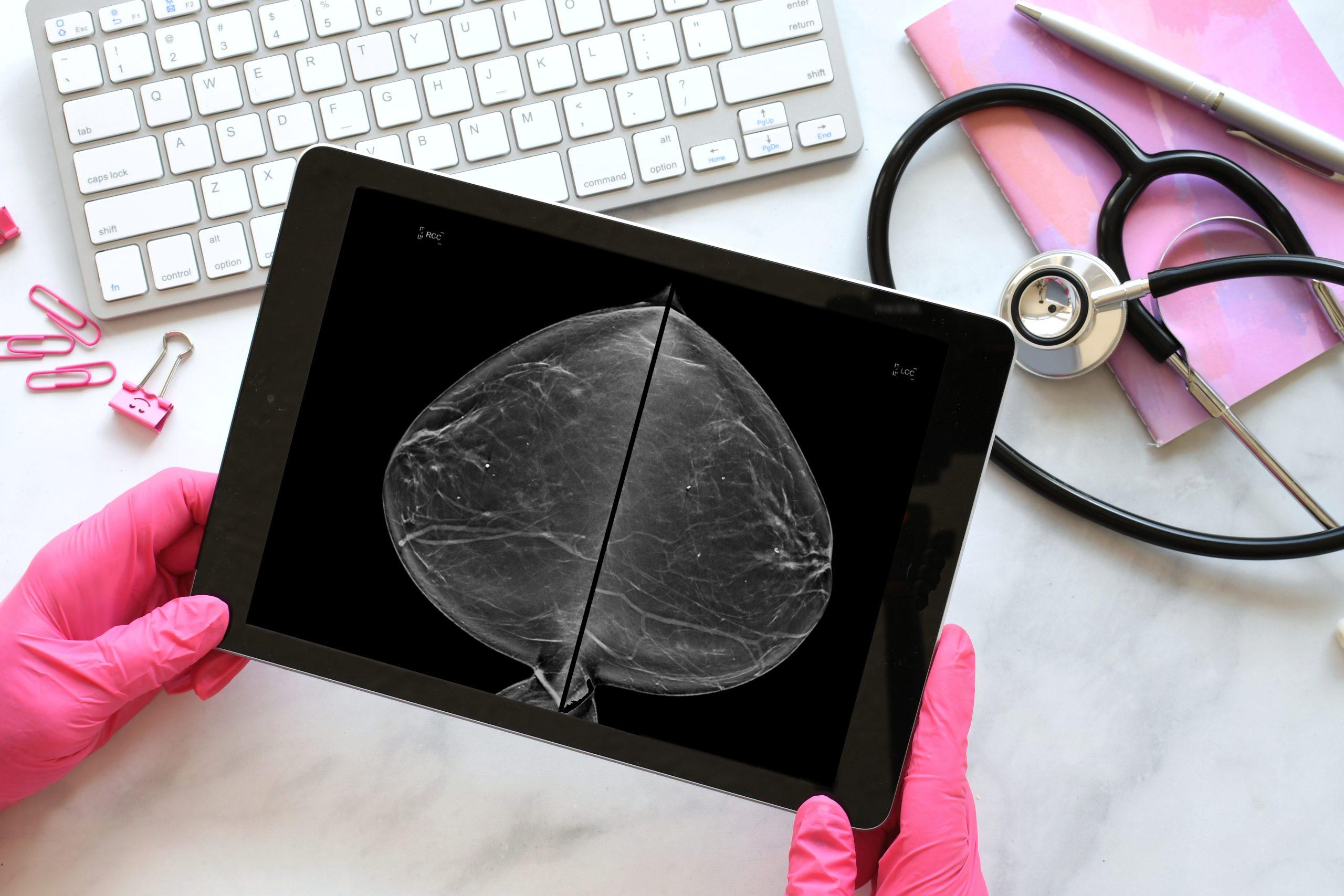
Breast calcifications are tiny calcium deposits that appear on a mammogram. Most are benign, but certain patterns may require further investigation to rule out precancerous changes or breast cancer.
- Can Breast Calcifications Go Away Naturally?
- What Are Breast Calcifications Causes?
- What’s the Difference Between Macrocalcifications and Microcalcifications?
- Which Natural Remedies Actually Help Breast Calcifications?
- When Do Breast Calcifications Need Medical Investigation?
- What Is Breast Calcifications Treatment?
- Do Breast Implants Cause Calcium Deposits?
- Can Breast Calcifications Affect Breast Augmentation?
- What Should You Do After a Diagnosis of Breast Calcifications?
- Breast Care and Surgical Guidance at Seattle Plastic Surgery
- FAQs
Wondering how to get rid of breast calcifications naturally? Dietary changes, supplements, detox, and home remedies can’t dissolve existing calcifications. Although most benign deposits don’t require treatment, doctors use clinical investigations to determine whether surgery is needed.
Patients with breast implants need to understand the difference between calcification within breast tissue and calcium deposits around the implant. The next step is to get breast health evaluated before undergoing the surgery.
Can Breast Calcifications Go Away Naturally?
Many people ask, Can breast calcifications go away naturally? Some deposits may change over time, but no reliable natural method can make existing calcifications disappear. Most benign calcifications are associated with normal aging or other noncancerous changes in breast tissue and do not need to be removed.
If you’re wondering how to reduce breast calcifications, the most important step is to follow the recommended breast screening and diagnostic plan rather than rely on unproven remedies.
Here’s what you should know:
- Diet: A balanced diet supports overall health, but no specific food or eating plan has been shown to dissolve breast calcifications.
- Calcium supplements: Dietary calcium and prescribed supplements are not established causes of breast calcifications. Consult your doctor before changing your supplement routine.
- Hydration and exercise: Staying hydrated and physically active supports general well-being, but neither has been shown to remove calcium deposits in breast tissue.
- Herbal remedies and detoxes: No credible clinical evidence shows that detox products, cleanses, or herbal supplements can dissolve existing calcifications.
The next step depends on how the deposits look, your medical history, and your radiologist’s assessment. Some findings need no further testing, while others require additional imaging or a biopsy.
What Are Breast Calcifications Causes?
Understanding what causes breast calcifications can help you interpret your mammogram results. A breast calcification is a small calcium deposit within breast tissue. These deposits are usually painless and cannot typically be felt during a breast self-exam.
The exact Breast Calcifications Causes are not always known, but common possibilities include:
- Age-related changes in breast tissue
- Breast cysts and benign growths, such as fibroadenomas
- Previous breast surgery or injury
- Inflammation or infection
- Fat necrosis, which occurs when fatty breast tissue is damaged
- Changes within the milk ducts
- Certain precancerous or cancerous conditions
Calcium deposits in breast tissue are not generally caused by consuming too much calcium. Avoiding dairy products or restricting calcium-rich foods is not an established way to prevent or reverse them.
What’s the Difference Between Macrocalcifications and Microcalcifications?
Radiologists classify calcifications by their size, shape, and distribution on a mammogram. These characteristics help determine whether additional testing is necessary.
|
Feature |
Macrocalcifications |
Microcalcifications |
| Appearance |
Larger white spots |
Tiny white specks |
| Common significance |
Usually benign |
Often benign, but some patterns need further testing |
| Next step |
Often no additional testing |
Depends on shape, distribution, and radiologist assessment |
Macrocalcifications are generally benign and rarely require further investigation. Microcalcifications are also often benign, but certain shapes or groupings may be associated with abnormal cell changes, including ductal carcinoma in situ (DCIS).
Microcalcifications do not automatically indicate cancer. Their appearance and distribution, along with the radiologist’s assessment, determine whether further testing is appropriate.
Which Natural Remedies Actually Help Breast Calcifications?
Many people search for natural remedies after seeing calcifications on a mammogram. However, it’s important to distinguish between habits that support general health and treatments proven to remove calcium deposits.
Can Dietary Changes Reduce Breast Calcifications?
No specific diet has been shown to dissolve existing calcifications. Eating a balanced variety of vegetables, fruit, whole grains, protein, and appropriate calcium sources supports general health but should not be considered a treatment for calcifications.
You generally do not need to avoid dairy products or other calcium-rich foods simply because calcifications have been detected. Dietary calcium is not considered an established cause of breast calcifications.
Should You Stop Taking Calcium Supplements?
No established evidence shows that stopping calcium supplements will reverse breast calcifications. If you take calcium or vitamin D for a medical reason, discuss the appropriate dose with your healthcare professional before making changes.
Can Exercise and Drinking More Water Help?
Regular exercise and adequate hydration support general health, but neither has been shown to dissolve calcifications. Detox drinks, cleanses, and unproven supplements should not replace recommended imaging or medical assessment.
The safest approach is to maintain healthy habits while following the screening and monitoring plan recommended for your mammogram findings.
When Do Breast Calcifications Need Medical Investigation?
If you are wondering, Are breast calcifications dangerous?, the answer depends on their appearance and distribution. Most are harmless, but certain patterns can be associated with precancerous changes or breast cancer.
Calcifications are usually detected during routine mammography rather than through physical symptoms. Your radiologist will assess their size, shape, distribution, and whether they are new or have changed compared with previous mammograms.
Depending on the findings, the next steps may include:
- Reviewing your mammogram report: The radiologist’s assessment explains whether the findings appear benign, probably benign, or suspicious.
- Diagnostic mammography: Additional or magnified views may help examine the deposits more closely.
- Follow-up imaging: Probably benign findings may require another mammogram at a recommended interval to check for changes.
- Biopsy: If the calcifications appear suspicious, doctors may recommend a biopsy to examine a tissue sample for abnormal or cancerous cells.
Not every case requires a biopsy or active treatment. Many findings are benign and need only routine screening or follow-up imaging.
Do not delay a recommended diagnostic mammogram or biopsy while trying natural remedies. Timely evaluation helps identify any underlying condition that may require treatment.
What Is Breast Calcifications Treatment?
Breast calcification treatment depends on whether the deposits are benign or associated with an underlying breast condition. Benign calcifications generally do not require removal or medication. Your healthcare professional may recommend routine screening or follow-up imaging based on your results.
If suspicious calcifications require a biopsy, the tissue sample can help determine whether further treatment is needed. When doctors identify an underlying condition, treatment focuses on that condition rather than the calcium deposits alone.
Understanding the relationship between breast calcifications and breast cancer is particularly important. Most calcifications are not cancerous, but certain patterns can be associated with DCIS or other abnormalities. A mammogram finding alone does not establish a cancer diagnosis.
Do Breast Implants Cause Calcium Deposits?
Breast tissue calcifications and calcification around breast implants are different findings that need to be evaluated appropriately.
Calcifications can develop naturally within breast tissue, whether or not a person has implants. Calcium deposits can also form in the fibrous scar tissue, known as the capsule, that develops around an implant after surgery.
What Is Capsular Calcification Around a Breast Implant?
After breast implant surgery, the body forms a layer of scar tissue around the implant. In some cases, calcium deposits form within this capsule, a process called capsular calcification.
Capsular calcification may occur without symptoms. When associated with other implant-related changes, it may accompany breast firmness, discomfort, or changes in breast shape.
Distinguish capsular calcification from capsular contracture, a complication in which scar tissue tightens around the implant. These conditions aren’t the same, but they can occur together.
A clinical examination and appropriate imaging can help determine the cause of breast changes.
What Are Breast Implant Calcification Symptoms?
Breast implant calcification symptoms aren’t always present, and symptoms alone cannot confirm calcium deposits in an implant capsule. Changes that warrant medical assessment include:
- Increasing breast firmness or tightness
- Persistent pain or tenderness
- A noticeable change in breast shape or position
- New swelling or asymmetry
These symptoms can have several causes and do not necessarily indicate implant calcification or damage. A healthcare professional can assess whether the changes relate to the implant, surrounding capsule, or breast tissue.
If your mammogram identifies calcifications, inform your treating clinician that you have implants and follow the radiologist’s recommendations. Depending on the findings, your clinician may order additional mammographic views, compare images with previous studies, or recommend a biopsy.
Implant removal or replacement isn’t automatically necessary when calcifications are detected. The decision depends on clinical findings, symptoms, and other implant-related complications.
Can Breast Calcifications Affect Breast Augmentation?
Breast calcifications do not automatically prevent someone from having Breast Augmentation. However, unexplained or suspicious mammogram findings should be evaluated before elective cosmetic surgery.
If you’re considering breast implants, keep these points in mind:
- Evaluate your breast health first: Complete any recommended diagnostic imaging or biopsy before proceeding with elective surgery.
- Share your medical history: Tell your plastic surgeon about previous mammograms, biopsies, breast procedures, and any history of breast disease.
- Continue appropriate screening: Breast implants do not eliminate the need for breast cancer screening. Inform your imaging facility about your implants so they can use the appropriate mammography techniques.
- Understand the purpose of surgery: Breast augmentation changes breast size and shape; it is not a treatment for calcifications within breast tissue.
Your plastic surgeon may coordinate with a radiologist or breast specialist if additional evaluation is needed. The priority is to understand the mammogram findings before proceeding with elective surgery.
What Should You Do After a Diagnosis of Breast Calcifications?
Finding calcifications on a mammogram can be stressful, but most are benign. These practical steps can help you understand your results and determine what to do next.
- Read your mammogram report: Review the radiologist’s assessment and recommendations.
- Ask about your results: Find out whether the deposits appear benign or suspicious and whether you need additional imaging, a biopsy, or routine screening.
- Keep previous imaging records: Comparing older and newer mammograms can help identify changes over time.
- Complete recommended testing on schedule: Do not substitute dietary changes, supplements, or home remedies for medical evaluation.
- Report new breast changes: Seek medical advice for a new lump, persistent pain, nipple changes, skin changes, or swelling, even if you previously had a normal mammogram.
Breast calcifications are an imaging finding, not a diagnosis. Understanding their appearance and following the recommended course of action are the most effective ways to manage them.
Breast Care and Surgical Guidance at Seattle Plastic Surgery
At Seattle Plastic Surgery, breast-related consultations consider your medical history, concerns, and aesthetic goals. If you’re considering breast augmentation in Seattle, you can discuss surgical options and your individual circumstances with the practice.
If your mammogram has identified suspicious or unexplained calcifications, appropriate breast imaging and specialist assessment should take priority before elective surgery.
Once your breast health has been evaluated, you can discuss whether breast augmentation or another cosmetic procedure is appropriate for your goals. Contact us to discuss your Mommy Makeover goals to address post-pregnancy changes. The appropriate plan depends on your health, imaging results, and surgical goals.
FAQs
Can breast calcifications go away naturally?
Some calcifications may change over time, but you shouldn’t expect natural remedies to make them disappear. Most benign deposits do not need treatment. Follow the monitoring plan your radiologist recommends.
What foods cause breast calcifications?
No particular food has been linked to breast calcifications. Eating calcium-rich foods as part of a normal diet is not considered a cause of these deposits.
Does drinking more water help remove breast calcifications?
No. Adequate hydration supports general health, but no reliable evidence shows that drinking extra water dissolves calcium deposits in breast tissue.
Should I stop taking calcium supplements if I have breast calcifications?
Not solely because calcifications were found. Calcium supplements are not an established cause of breast calcifications. Consult your healthcare professional before changing prescribed supplements.
Are breast calcifications dangerous?
Most breast calcifications are benign. However, certain patterns can be associated with precancerous changes, such as DCIS, or breast cancer. Suspicious findings may require additional imaging or a biopsy.
Do breast calcifications need to be removed?
Usually not. Benign calcifications generally do not require removal. If further testing identifies an underlying condition, treatment will depend on that diagnosis.
Can breast implants cause calcium deposits?
Yes. Calcium deposits can develop in the scar tissue capsule surrounding a breast implant. This differs from calcifications within breast tissue, which must be evaluated according to their mammographic appearance.
Do breast calcifications need to be removed before breast augmentation?
Not necessarily. Benign calcifications do not automatically prevent breast augmentation. However, evaluate suspicious or unexplained findings before elective surgery in consultation with the appropriate healthcare professionals.
What should I do if my mammogram report recommends a biopsy?
Contact your healthcare professional or breast imaging team to arrange the recommended evaluation. A biopsy helps determine whether suspicious calcifications are benign or associated with abnormal cells. A biopsy recommendation does not automatically mean you have cancer.

Dr. Craig Jonov is a board-certified cosmetic surgeon based in Lynnwood, serving the Seattle area. With extensive training in facial, breast, and body procedures, he combines surgical expertise with artistic precision to achieve natural-looking results. Dr. Jonov also specializes in advanced injectable treatments and non-surgical rejuvenation techniques. Recognized for his commitment to safety and innovation, he is an active member of leading cosmetic surgery organizations and is dedicated to providing personalized care tailored to each patient’s goals.