
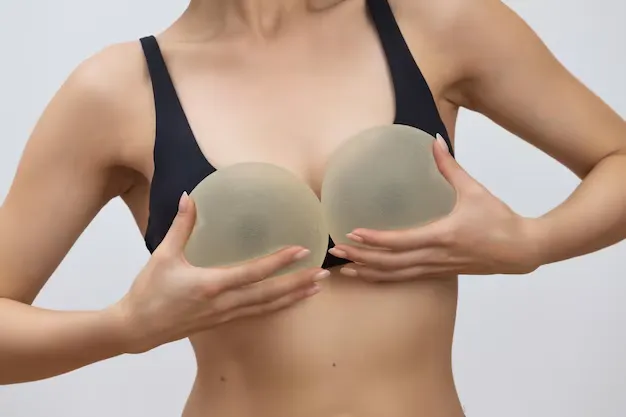
Most of the patients considering or living with breast implants wonder whether their devices will expire after 10 years or last longer. Well, this is not actually the case, as some implants require immediate attention due to capsular changes, structural wear, evolving aesthetic preferences or natural structural wear, while others remain in optimal condition. Addressing how long do breast implants last requires proactive monitoring. Let’s evaluate what to expect from breast implants in terms of lifespan and long-term results
- How Long Do Breast Implants Last?
- Do Breast Implants Need to Be Replaced Every 10 Years?
- What Can Affect Breast Implant Lifespan?
- Saline vs. Silicone Breast Implants: Does Lifespan Differ?
- Signs of Breast Implant Rupture and Other Key Indicators
- How Often Do Breast Implants Need to Be Replaced?
- What to Expect During Breast Implant Revision Surgery
- Breast Implants Seattle: Exploring Care and Consultations
- Key takeaways for Long-Term Breast Implant Health
- FAQs
How Long Do Breast Implants Last?
Modern breast implants typically last between 10 and 20 years, while many stay intact for two decades or longer. In some cases, symptoms or complications are also not experienced by an individual after a breast implant procedure after many years. However, according to FDA, these implants are not permanent. The breast implant lifespan is not universal or guaranteed.
The device’s construction, tissue elasticity, pocket placement, and your immune response determine how long breast implants last. The decision to maintain, exchange, or remove implants depends on the results of regular evaluation and diagnostic findings.
Do Breast Implants Need to Be Replaced Every 10 Years?
If an individual does not experience pain, has clear imaging findings, and softness, there is no need to undergo breast implant replacement. Maintaining results for a decade does not mean it’s time to replace implants. This misconception that you should seek consultation to replace implants after 10 years is based on older clinical studies and warranty structures. This misconception stems from frequent mechanical breakdowns after a decade in most cases. However, the modern silicone and saline shells retain the durability of breast implants even after a decade.
Apart from age, tissue changes or shell fatigue can also affect the longevity of implants. In fact, it is practical to schedule breast implant examination sessions and appropriate imaging after a decade.
What Can Affect Breast Implant Lifespan?
The physiological, lifestyle, and mechanical factors determine the timeline, when to replace breast implants:
- Structural fatigue and implant wear: The integrity of the implant shell weakens over time due to micro-friction.
- Capsular contracture: The body forms a protective collagen capsule around foreign objects naturally. If this scar tissue tightens or hardens, it can cause discomfort, firmness, or noticeable distortion.
- Tissue changes and weight fluctuations: Significant changes in body weight or breast tissue volume can affect implant positioning.
- Pregnancy, breastfeeding, and aging: Breast contours change due to hormonal changes and normal age-related loss of skin elasticity, even when the implant itself remains structurally sound.
- Personal aesthetic choices: A patient’s lifestyle or preferences may change, leading to a desire for a smaller profile, an adjustment in shape, or complete removal.
Saline vs. Silicone Breast Implants: Does Lifespan Differ?
Despite the overall longevity of saline and silicone implants, a brief comparison shows their relevance. This saline vs silicone implant lifespan comparison can help individuals choose the right device for better maintenance and replacement prospects.
Feature | Saline Implants | Silicone Gel Implants |
| Filling Material | Sterile saline (saltwater) | Cohesive medical-grade silicone gel |
| Rupture Signs | Visible deflation occurring over hours or days | Often asymptomatic (“silent rupture”) |
| Recommended Monitoring | Routine clinical exams and self-checks | Regular clinical exams plus diagnostic imaging |
| Diagnostic Tools | Physical examination | Breast implant MRI or ultrasound |
| Average Lifespan | 10 to 15+ years | 10 to 20+ years |
Because saline ruptures can be noticed as a reduction in breast size when the harmless water is absorbed by the body. On the other hand, the gummy gel used in silicone implants holds the shape even after the outer shell tears. This makes regular screening with a breast implant MRI or ultrasound essential for evaluating silicone integrity over time.
Signs of Breast Implant Rupture and Other Key Indicators
Understanding the signs of breast implant rupture or secondary changes helps you address potential issues early:
- Sudden deflation or volume loss: A clear indicator of a saline implant tear.
- Firmness, tightness, or pain: This may indicate progressive capsular contracture or inflammation around the pocket.
- Altered breast shape or contour asymmetry: New ripples, bulges, or shifts in how the breast projects may indicate shell folding, displacement, or gel leakage.
- Localized swelling or persistent lumps: Unexplained fluid accumulation or tissue firmness requires immediate evaluation to rule out seromas or structural tears.
- Absence of symptoms: It is vital to remember that silicone leaks rarely hurt or distort breast shape early on, making routine imaging the only reliable way to identify silent ruptures.
How Often Do Breast Implants Need to Be Replaced?
Patients often ask how often do breast implants need to be replaced, expecting a defined schedule. In clinical practice, there is no set schedule.
You only need to address implants when an objective issue arises—such as a confirmed tear, symptomatic capsular tightening, infection, or marked asymmetry—or when you decide you want a different look. Many individuals go 15 to 25 years with their original devices completely undisturbed, while others choose an earlier update to adjust sizing or refine their shape.
What to Expect During Breast Implant Revision Surgery
When diagnostic screening or personal preference calls for an update, breast implant revision surgery provides a path to restore comfort, symmetry, and tissue health.
- Evaluation and Imaging: Pre-operative planning involves a physical exam and imaging (ultrasound or MRI) to map implant position, capsule thickness, and tissue quality.
- Implant Exchange: The surgeon removes the older devices, inspects the internal pocket, and places new, modern cohesive gel or saline devices.
- Capsular Management: If scar tissue has tightened, the surgeon may perform a capsulotomy (releasing the scar tissue) or a capsulectomy (excising the capsule) to ensure a soft, natural result.
- Tissue Re-draping: If skin has stretched significantly over time, a revision can be paired with a mastopexy (breast lift) to re-center the nipple-areola complex and restore youthful projection.
Breast Implants Seattle: Exploring Care and Consultations
For those living in the Pacific Northwest managing breast implants Seattle area clinics frequently stress the value of long-term follow-ups. Whether you received your devices locally or moved to the area with existing implants, establishing ongoing care with a board-certified plastic surgeon experienced in Seattle breast implants ensures that your devices are tracked properly over the years.
Local specialists can facilitate modern high-resolution ultrasound screenings, evaluate whether an older device requires an update, or assist you in deciding between continued observation and proactive replacement.
Key takeaways for Long-Term Breast Implant Health
To maximize the life of your implants and safeguard your wellness, follow these core practices:
- Keep a copy of your implant record card containing manufacturer, style, and volume details.
- Perform monthly visual checks and note changes in texture, shape, or comfort.
- Adhere to imaging recommendations (such as an MRI or ultrasound every 2–3 years after year 5–6 for silicone).
- Schedule an in-person clinical checkup if you experience persistent tightness, sudden deflation, or swelling.
- Remember that age alone is not a reason to operate; focus on how your implants feel, look, and image.
If you are not sure about the breast implants lifespan after a decade, contact Seattle Plastic Surgery for a detailed evaluation. Based on the clinical assessment, we will recommend practical advice.
Sources
- FDA — Risks and Complications of Breast Implants – https://www.fda.gov/medical-devices/breast-implants/risks-and-complications-breast-implants
- FDA — What to Know About Breast Implants – https://www.fda.gov/consumers/consumer-updates/what-know-about-breast-implants
- FDA — Breast Implant MRI or Ultrasound Screening Guidance – https://www.fda.gov/media/131885/download
- American Society of Plastic Surgeons — Breast Implant Safety – https://www.plasticsurgery.org/patient-safety/breast-implant-safety
- American College of Radiology — Breast Implant Evaluation – https://acsearch.acr.org/docs/3100728/Narrative/
FAQs
Can breast implants last 20 years or longer?
Yes. Many patients retain their original implants for 20 to 30 years without complications or rupture. However, long-term durability varies, and ongoing monitoring remains necessary.
What happens if I never replace my breast implants?
If your implants remain structurally intact and you experience no complications or cosmetic dissatisfaction, you do not have to replace them. However, the risk of shell rupture increases each year, so consistent follow-up is critical.
Can a breast implant rupture without symptoms?
Yes. Silicone gel ruptures are often completely silent, causing no pain, swelling, or visible change in breast shape. This is why regular MRI or ultrasound imaging is advised.
How often should silicone breast implants be checked?
The FDA recommends that patients with silicone implants undergo their first MRI or ultrasound screening 5 to 6 years after placement, and every 2 to 3 years thereafter.
Does breast implant replacement require another full breast augmentation?
Revision surgery is different from primary placement. It is customized to address the existing implant pocket, manage scar tissue, and adjust size or shape according to the patient’s current needs.

Dr. Craig Jonov is a board-certified cosmetic surgeon based in Lynnwood, serving the Seattle area. With extensive training in facial, breast, and body procedures, he combines surgical expertise with artistic precision to achieve natural-looking results. Dr. Jonov also specializes in advanced injectable treatments and non-surgical rejuvenation techniques. Recognized for his commitment to safety and innovation, he is an active member of leading cosmetic surgery organizations and is dedicated to providing personalized care tailored to each patient’s goals.