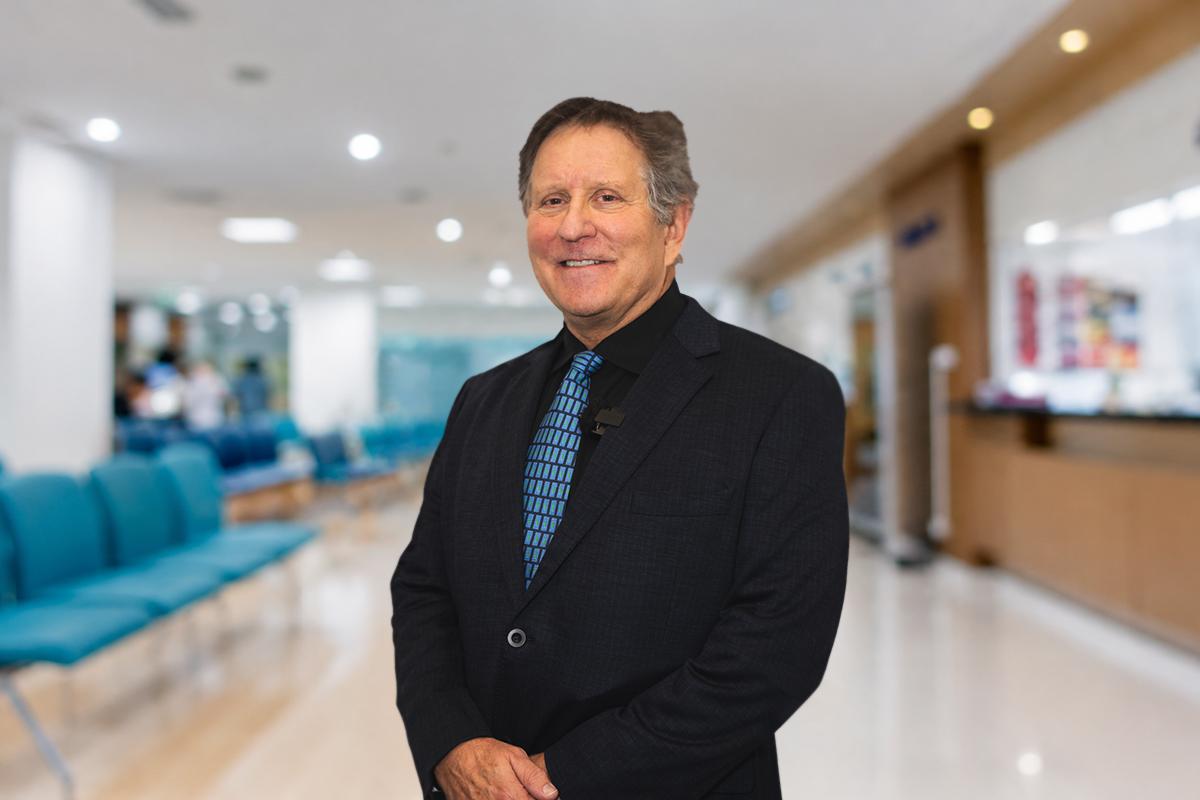
A facelift that only tightens skin rarely delivers a natural look. As the face ages, deeper layers shift too. Muscle loosens, fat pads move, and the jawline loses definition well before skin sag becomes obvious. Many patients end up with a stretched appearance because a technique addressed the surface without correcting the structure underneath it. Dr. David Santos of Seattle Plastic Surgery developed the Jasan Lift in collaboration with other surgeons to solve exactly that problem, drawing on his experience across thousands of facelift procedures.
What is Jasan Facelift and How Does it Work?
The Jasan Lift works through three separate planes in a single operation, where conventional facelifts typically stop at one or two:
- Subperiosteal plane: closest to the bone, released at the mandible and maxilla so the face lifts as one connected unit rather than skin and deeper tissue moving separately
- Deep plane: the structural layer of muscle and connective tissue beneath the skin
- Subcutaneous plane: the surface layer, refined last for smooth, natural-looking skin
Stopping short of all three levels is part of why some facelift results look uneven or short-lived. Releasing the subperiosteal attachments at the mandible and maxilla lets the surgical team lift the face as one connected unit, rather than tugging skin in one direction and deeper tissue in another.
Incisions Designed to Stay Hidden
Visible scarring is a common concern for anyone researching a facelift surgeon in Seattle. The Jasan Lift uses incisions inside the mouth and along the back of the scalp instead of the traditional lines in front of the ear, keeping most scars out of view for well-suited candidates. Patients with more significant excess skin may still need a small external incision to remove it directly, since anatomy varies from patient to patient. For the right candidate, the technique restores a more youthful, composite lift without the pulled appearance older methods can leave behind.
Benefits of the Jasan Lift
A few advantages come up most often when patients compare this technique with a standard facelift:
- Scars that stay mostly hidden inside the mouth and scalp for well-suited candidates
- All three tissue layers addressed in one surgical visit instead of multiple treatments
- A composite, natural-looking lift rather than the wind-swept appearance tied to skin-only facelifts
- Results built to hold up longer, since the underlying structure is corrected, not just the surface
Dr. David Santos and Decades of Facial Surgery Experience
Dr. Santos has spent more than two decades focused entirely on surgery of the face. That specialization, paired with thousands of facelifts performed over his career, made him the driving force behind a technique centered on minimal scarring and full-structure correction:
- More than two decades focused entirely on surgery of the face
- Regularly teaches other surgeons about new facial plastic surgery techniques, both domestically and internationally
- Pioneered protocols that reduce patient risk and downtime, including procedures performed under local anesthesia
- Makes facelift surgery the centerpiece of his practice at Seattle Plastic Surgery
What Case Volume Means for Facelift Results
Dr. Santos’s facelift volume, built across thousands of procedures over more than two decades, gave the Jasan Lift a wide foundation of facial anatomy to draw from, rather than a narrow set of cases. That volume is part of why the technique treats the subperiosteal, deep, and subcutaneous layers together instead of over-correcting one at the expense of another. Patients looking for a deep plane facelift can also consider other options, such as a mini facelift and neck lift options for patients who need a smaller correction.
Ready to Explore the Jasan Lift?
Anyone considering the Jasan Lift can start with a consultation at Seattle Plastic Surgery, where Dr. Santos evaluates facial anatomy, skin quality, and goals before recommending an approach. Virtual consultations are available for patients traveling from outside the Seattle area. Schedule a consultation to discuss candidacy, recovery expectations, and pricing for a facelift built around the aging face rather than just its surface.
FAQs
What is the average cost of a facelift?
Pricing depends on the extent of correction needed, whether other procedures are combined with it, and anesthesia and facility fees. A consultation is the most reliable way to get an accurate, personalized quote rather than relying on a national average.
How soon can someone return to work after a facelift?
Patients with desk jobs often return in about two weeks, once visible bruising has faded enough to cover with makeup. Physically demanding jobs usually call for a longer break, closer to four weeks, to avoid straining the healing tissue.
Does insurance ever cover facelift surgery?
Facelifts performed for cosmetic reasons are considered elective and are not covered by health insurance. Coverage only applies in rare cases where surgery corrects a functional problem tied to trauma or a medical condition, which a surgeon can clarify during consultation.
What is the difference between a facelift and a neck lift?
A facelift addresses sagging in the cheeks, jawline, and mid-face, while a neck lift focuses specifically on loose skin and banding under the chin and along the neck. Many patients choose to combine both during one surgery for a more balanced result.
How can someone tell if they are a good candidate for a facelift?
Good candidates are generally in stable health, are bothered by visible sagging rather than fine lines alone, and have realistic expectations about the outcome. Skin elasticity and bone structure both factor in, which is why an in-person evaluation gives the clearest answer.
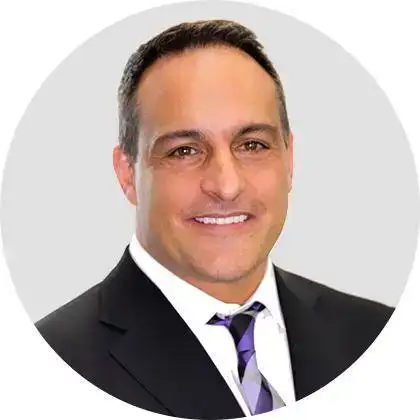
Dr. Craig Jonov is a board-certified cosmetic surgeon based in Lynnwood, serving the Seattle area. With extensive training in facial, breast, and body procedures, he combines surgical expertise with artistic precision to achieve natural-looking results. Dr. Jonov also specializes in advanced injectable treatments and non-surgical rejuvenation techniques. Recognized for his commitment to safety and innovation, he is an active member of leading cosmetic surgery organizations and is dedicated to providing personalized care tailored to each patient’s goals.