
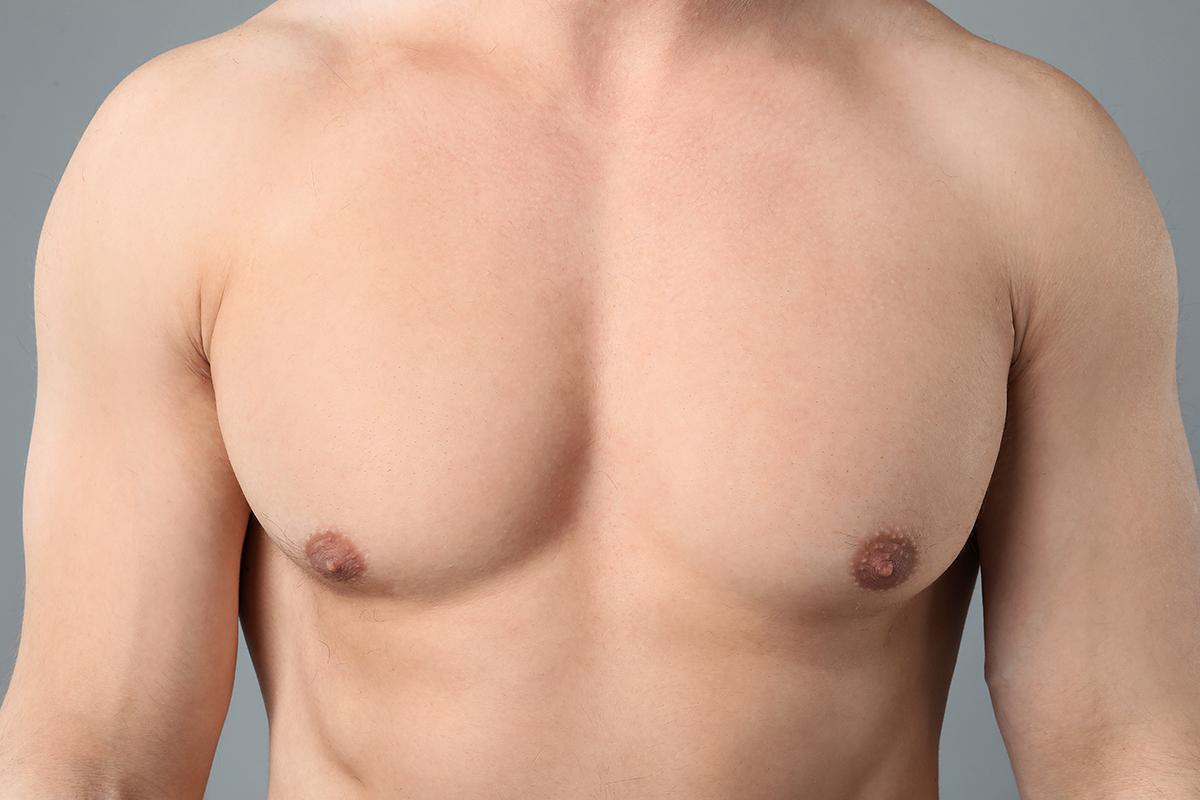
Gynecomastia is an enlargement of male breast tissue. It can affect one breast or both, and the sizes of the breasts may not be the same. The condition often develops when the usual balance between estrogen and testosterone changes. This can happen during puberty, adulthood, or later in life.
- What is Gynecomastia?
- What Does Gynecomastia Look and Feel Like?
- Can Gynecomastia Go Away on Its Own?
- Can Exercise or Weight Loss Get Rid of Gynecomastia?
- When Should Someone See a Doctor About Gynecomastia?
- How Is Gynecomastia Diagnosed?
- What Are the Treatment Options for Gynecomastia?
- What Is Gynecomastia Surgery?
- Who May Be a Candidate for Male Breast Reduction?
- What Is Recovery Like After Gynecomastia Surgery?
- Gynecomastia Surgery in Seattle
- FAQs
So, can gynecomastia go away? Sometimes. Gynecomastia linked to temporary hormone changes, especially during puberty, often improves without treatment. Adult gynecomastia can be less predictable. If it has been present for a long time, the enlarged tissue may not disappear on its own.
True gynecomastia involves an increase in glandular breast tissue. Pseudogynecomastia mainly involves extra fat in the chest. That difference matters because the best way to manage each condition may differ.
What is Gynecomastia?
Gynecomastia is a common condition that causes extra breast tissue to develop in men and boys. It can happen when the balance between testosterone and estrogen changes, allowing breast tissue to grow more than usual. According to the Cleveland Clinic, gynecomastia affects an estimated 50 to 65 percent of males worldwide at some point in their lives.
The amount of enlargement can vary. Some men may notice mild puffiness around the nipples, while others may have more noticeable fullness across the chest. It can affect both sides or just one, and it is also possible for one side to look larger than the other. For some men, the change may be subtle, while for others, it can affect how they feel about the appearance of their chest.
What Does Gynecomastia Look and Feel Like?
Gynecomastia symptoms tend to include several recognizable features. The breast tissue often feels firm or rubbery to the touch and sits directly beneath the nipple. This differs from regular chest fat, which feels softer and is more uniformly distributed across the chest.
Common gynecomastia symptoms may include:
- Swelling around the nipple or chest
- A firm or rubbery area beneath the nipple
- Tenderness or sensitivity
- Sore breast tissue, especially during early development
- An enlarged areola or nipple area
- Uneven enlargement between the two sides
- A feeling of fullness in the chest
A medical evaluation can help determine whether the enlargement is due to glandular tissue, fat, or another cause.
Can Gynecomastia Go Away on Its Own?
Sometimes. Whether gynecomastia goes away largely depends on its cause, the age at which it develops, how long it has been present, and whether the underlying trigger persists. Some cases resolve naturally without intervention, while others persist and may require treatment for improvement.
Can Puberty Gynecomastia Go Away?
Pubertal gynecomastia commonly resolves on its own as hormone levels stabilize. Most adolescent boys who develop breast tissue enlargement during puberty see improvement within six months to two years. According to the American Academy of Pediatrics, the majority of pubertal gynecomastia cases resolve without treatment by the time boys reach their late teens.
For adolescents, healthcare providers often recommend observation and reassurance instead of immediate treatment. Periodic check-ups can help monitor whether the tissue is decreasing, staying stable, or continuing to grow. If gynecomastia persists beyond a couple of years or causes significant physical or emotional concern, further evaluation and treatment options may be discussed.
Can Adult Gynecomastia Go Away?
Adult gynecomastia is more variable in terms of whether it resolves naturally. If a specific cause can be identified and addressed, the enlargement may improve.
However, gynecomastia that has been present for an extended period tends to be more resistant to natural resolution. Over time, the glandular tissue can become more fibrous and less responsive to hormonal changes. Long-standing gynecomastia may not resolve without treatment, even if the underlying cause has been addressed.
How Long Does Gynecomastia Take to Go Away?
The timeline for improvement varies significantly based on the situation:
|
Situation |
Can it improve naturally? |
|
Newborn gynecomastia |
Often yes, typically within weeks to months |
|
Puberty-related gynecomastia |
Often yes, usually within 6 months to 2 years |
|
Medication-related gynecomastia |
May improve after the cause is addressed |
|
Underlying medical condition |
Depends on treating the condition successfully |
|
Long-standing adult gynecomastia |
Less likely to resolve naturally |
For cases that do not improve naturally, gynecomastia treatment options exist that can help reduce breast tissue and create a flatter chest contour.
Can Exercise or Weight Loss Get Rid of Gynecomastia?
This question comes up frequently because many people assume that chest exercises or losing body fat will eliminate breast enlargement. The answer depends on what type of tissue is causing the enlargement.
Exercise and Gynecomastia
Exercise can improve overall body composition, increase muscle definition, and reduce body fat. Building chest muscle through exercises like push-ups, bench presses, and cable flys can create a more toned appearance. However, exercise does not directly remove enlarged glandular breast tissue.
True gynecomastia involves actual breast tissue growth, not simply fat accumulation. This glandular tissue is firm and fibrous, located directly behind and around the nipple. No amount of chest exercise can shrink this tissue because muscle training does not affect the composition of glandular breast tissue.
Gynecomastia vs. Pseudogynecomastia
Understanding how to get rid of gynecomastia starts with knowing whether you’re dealing with true gynecomastia or pseudogynecomastia. The two look similar but have very different causes and very different solutions. Here’s how they compare:
Factors |
Gynecomastia |
Pseudogynecomastia |
| Underlying cause |
Enlarged glandular breast tissue, usually located behind the nipple and areola |
Excess fat in the chest without significant glandular enlargement |
| How it feels |
Firm or rubbery, concentrated around the nipple |
Softer, with fullness spread more evenly across the chest |
| Common trigger |
Changes in the balance of testosterone and estrogen |
Increased body fat or weight gain |
| Response to diet and exercise |
Diet and exercise generally cannot remove the enlarged glandular tissue |
Weight loss and exercise may reduce fullness by lowering overall body fat |
| Distribution pattern |
Can affect one or both sides, sometimes unevenly |
Typically follows the person’s overall pattern of fat distribution |
When Should Someone See a Doctor About Gynecomastia?
Speaking with a healthcare provider can help determine the cause, rule out any concerning conditions, and discuss appropriate next steps.
Consider seeking evaluation for:
- New or persistent breast enlargement that does not improve over time
- Significant pain or tenderness in the breast tissue
- A firm, hard lump that feels different from the surrounding tissue
- Discharge from one side or both nipples
- Skin changes over the breast area, such as dimpling or redness
- Noticeably one-sided enlargement or rapid growth
Breast changes accompanied by other symptoms, such as testicular changes or unexplained weight loss.
How Is Gynecomastia Diagnosed?
Diagnosing gynecomastia involves gathering information about the individual’s history and performing a physical examination. Additional testing may be recommended depending on the findings.
Medical History
The healthcare provider usually asks about when the enlargement started, whether it has changed over time, and whether both sides are affected. Questions about current medications, supplements, and substance use help identify potential contributing factors. Information about overall health, family history, and any other symptoms provides context for the evaluation.
Physical Examination
During the examination, the provider assesses the chest to determine what type of tissue is contributing to the enlargement. Gynecomastia typically presents as a firm, disc-like area of tissue beneath the nipple. The provider may also examine other areas, such as the abdomen and testicles, to check for signs that might point to an underlying cause.
Additional Testing
Tests might include hormone levels, liver and kidney function tests, or imaging, such as an ultrasound or a mammogram, in certain cases.
The purpose of testing is to identify any treatable cause and rule out rare conditions that can present similarly to gynecomastia.
What Are the Treatment Options for Gynecomastia?
Gynecomastia treatments vary depending on the cause, duration, severity, and extent of the condition’s impact on the individual. A range of approaches exists, from observation to medical management to surgical intervention.
Observation
For temporary gynecomastia, such as cases related to puberty or recent medication changes, observation may be appropriate. Many of these cases improve naturally over months or a couple of years without requiring active treatment. Regular monitoring ensures that any changes are tracked and that treatment can be reconsidered if improvement does not occur.
Treating the Underlying Cause
When gynecomastia results from a specific cause, addressing that cause may lead to improvement. This might involve working with a healthcare provider to adjust a medication, treating an underlying health condition, or addressing substance use that may be contributing to hormone imbalance.
It bears repeating that stopping or changing medications should only be done under medical guidance. Many medications that can contribute to gynecomastia are prescribed for important health reasons, and the risks and benefits of any change need careful consideration.
Medication
In certain cases, medications may be considered as part of gynecomastia treatment. These medications work through various mechanisms to influence hormone levels or the effects of hormones on breast tissue. However, medication therapy for gynecomastia is typically most effective when the condition is relatively recent, and the tissue has not yet become extensively fibrous.
Medication decisions should involve a qualified healthcare professional who can weigh the potential benefits against side effects and determine whether this approach is appropriate for the individual situation.
Surgery
When gynecomastia is long-standing, has not responded to other measures, or causes significant physical or emotional concern, gynecomastia surgery may be an option. Surgical treatment can directly remove excess tissue and reshape the chest for a flatter, more masculine contour.
What Is Gynecomastia Surgery?
Gynecomastia surgery, also known as male breast reduction, is a surgical procedure designed to reduce excess chest tissue and improve chest contour. The specific techniques used depend on the tissue being addressed and the individual’s anatomy and goals.
Liposuction
When excess fat contributes to chest fullness, liposuction can address it. During liposuction, small incisions allow the insertion of a thin tube that suctions out fatty tissue. This technique works well for removing soft, fatty tissue and for sculpting and contouring the chest.
Glandular Tissue Removal
Glandular breast tissue is firmer and more fibrous than fat, and it typically requires surgical excision rather than liposuction alone. Through carefully placed incisions, often around the edge of the areola where scarring can be less visible, the surgeon removes the firm tissue to create a flatter appearance.
Why Some Patients Need Both
Many individuals with gynecomastia have a combination of enlarged glandular tissue and excess fat. In these cases, the best results may come from combining liposuction to address the fatty component with excision to remove the glandular component. The surgeon evaluates the chest composition during consultation and recommends the approach most likely to achieve the desired outcome.
What About Excess Skin?
In cases where significant male breast enlargement has stretched the skin, or in individuals who have experienced substantial weight loss, there may be excess skin that does not tighten on its own after tissue removal. Additional procedures to remove excess skin and tighten the remaining skin may be discussed depending on the individual situation.
Who May Be a Candidate for Male Breast Reduction?
For some men, gynecomastia surgery Seattle does not improve with time, weight changes, or other treatments. When enlarged breast tissue continues to cause concern, Male Breast Reduction may be an option. ASPS notes that good candidates generally have stable breast development, good overall health, and realistic expectations about what surgery may achieve.
A person may be considered for surgery when:
- The breast enlargement has remained over time: The tissue has not gone away or improved despite waiting or addressing possible causes.
- The chest has been stable: The size and shape of the breast tissue have not changed much in recent months.
- Overall health is good: There are no untreated health problems that may make surgery or healing more difficult.
- Expectations are realistic: Surgery may improve the chest’s shape and size, but the final appearance can vary from person to person.
- Weight is fairly stable: Major weight changes after surgery may affect chest shape and long-term results.
- Possible causes have been checked: If a medication, health condition, or other factor may be linked to the gynecomastia, it may need to be evaluated before surgery.
- The condition is causing ongoing concern: Some men seek treatment because of chest discomfort, problems with clothing or exercise, or concerns about how the chest looks.
A consultation can help determine whether male breast reduction is a reasonable option. The surgeon can examine the chest, review the medical history, determine whether the enlargement is primarily fat or glandular tissue, and discuss which treatment approach may be appropriate for the individual case.
What Is Recovery Like After Gynecomastia Surgery?
Recovery from gynecomastia Seattle surgery varies depending on the extent of the procedure, the techniques used, and individual healing factors. Most people can expect a period of reduced activity followed by gradual return to normal routines.
First Few Days
The initial days after surgery typically involve some swelling, bruising, and tightness in the chest area. Soreness is common and usually manageable with prescribed or over-the-counter pain medication. Many surgeons recommend wearing a compression garment to support the healing tissue and help reduce swelling.
Returning to Work
The timeline for returning to work depends on the nature of the job and the specifics of the surgery. Individuals with desk jobs may return within a week or so, while those with physically demanding jobs may need additional time off. Following the surgeon’s guidance helps ensure that returning to activities does not compromise healing.
Exercise and Chest Workouts
Strenuous activities, heavy lifting, and chest-focused exercises need to be restricted during the early healing period. Most surgeons provide specific instructions about when various levels of activity can resume. Rushing back to intense exercise can increase the risk of complications and may affect results.
Gynecomastia Surgery in Seattle
Seattle Plastic Surgery offers gynecomastia surgery with Dr. Tarak Patel and Dr. Craig Jonov. Both surgeons take time to assess the chest and understand what is contributing to the enlargement before discussing surgery.
Dr. Patel brings 25 years of surgical experience, including complex plastic and reconstructive care during his service in the U.S. Army. Dr. Jonov has more than 20 years of experience and operates in a fully JCAHO-accredited surgical facility.
For patients exploring male breast reduction in Seattle, the consultation focuses on the chest itself, including the amount and type of tissue present and the changes that may be possible through surgery.
FAQs
What is gynecomastia?
Gynecomastia is the enlargement of breast tissue in males. It results from an imbalance between estrogen and testosterone and can affect one or both sides of the chest. The condition is common and can occur during infancy, puberty, or adulthood.
Can gynecomastia go away on its own?
Sometimes, gynecomastia related to temporary hormonal changes, such as during puberty, often resolves naturally within months to a couple of years. Long-standing gynecomastia in adults may be less likely to go away without treatment.
How long does gynecomastia take to go away?
The timeline varies based on the cause. Pubertal gynecomastia may resolve within 6 months to 2 years. Medication-related gynecomastia may improve after addressing the cause. Long-standing cases may not resolve without treatment.
Can gynecomastia go away with exercise?
Exercise can improve the overall appearance of the chest and reduce body fat, but it cannot remove enlarged glandular breast tissue. True gynecomastia involves firm, fibrous tissue that does not respond to diet or exercise alone.
Can losing weight eliminate gynecomastia?
Weight loss may help reduce pseudogynecomastia, which involves fatty tissue in the chest. However, true gynecomastia caused by glandular tissue growth typically does not go away with weight loss alone.
What is the difference between gynecomastia and chest fat?
Gynecomastia involves enlarged glandular breast tissue that feels firm and sits behind the nipple. Pseudogynecomastia, or chest fat, involves fatty tissue that feels softer and is more evenly distributed. Many individuals have both.
How do you get rid of gynecomastia?
Treatment depends on the cause and duration. Options include observation for temporary cases, addressing underlying causes, medication in select cases, and surgery for persistent gynecomastia that does not respond to other measures.
What are the treatments for gynecomastia?
Gynecomastia treatments range from observation and addressing underlying causes to medication and surgery. The appropriate treatment depends on individual factors including the cause, how long the condition has been present, and its impact on daily life.
Is gynecomastia surgery permanent?
Removed glandular tissue does not regenerate. However, factors such as weight gain, certain medications, or continued substance use can potentially affect chest appearance over time. Maintaining stable weight and avoiding contributing factors supports lasting results.
How long does gynecomastia surgery recovery take?
Most individuals can return to desk work within about a week and resume strenuous exercise after approximately six weeks. Swelling gradually decreases over several months, at which point final results become fully visible.
Is Male Breast Reduction the same as gynecomastia surgery?
Yes. Male Breast Reduction is another name for gynecomastia surgery. Both terms refer to surgical procedures that reduce excess breast tissue and reshape the chest for a flatter, more masculine contour.

Dr. Craig Jonov is a board-certified cosmetic surgeon based in Lynnwood, serving the Seattle area. With extensive training in facial, breast, and body procedures, he combines surgical expertise with artistic precision to achieve natural-looking results. Dr. Jonov also specializes in advanced injectable treatments and non-surgical rejuvenation techniques. Recognized for his commitment to safety and innovation, he is an active member of leading cosmetic surgery organizations and is dedicated to providing personalized care tailored to each patient’s goals.