

Otoplasty—more commonly known as ear pinning surgery—is a fairly quick and low risk procedure. However, all surgical procedures come with some inherent risks. Considering otoplasty is performed on a wide variety of patients, it is important to understand the risks and how they may affect each individual patient. So, what are the risks of otoplasty?
First, the general risks that all surgeries carry such as complications associated with general anesthesia, infection, unsightly scarring, and poor healing are all present in varying degrees depending on the patient and their specific procedure. These risks are generally low for most patients, or only cause minor side effects which are easily treated. (For example, vomiting after waking up from anesthesia).
While not unique to otoplasty, asymmetry can be more noticeable if it occurs after an otoplasty than other procedures. Thus, it requires a precise surgeon to perform. If any asymmetry will remain, this is generally anticipated and presented to the patient before they choose to undergo surgery or not.
Other more serious risks of otoplasty—while present—are extremely unlikely. Skin death or major bleeding are rare following such a quick, localized procedure. Though, the risk of more serious complications may be higher in certain people such as those with certain medical conditions or who smoke.
To learn more and schedule a consultation, call us at 206-324-1120. You can also reach out online via chat, contact form, or Price Simulator.
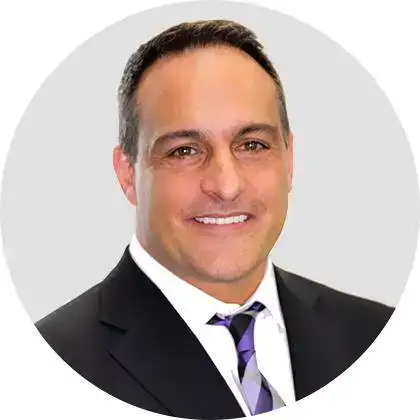
Dr. Craig Jonov is a board-certified cosmetic surgeon based in Lynnwood, serving the Seattle area. With extensive training in facial, breast, and body procedures, he combines surgical expertise with artistic precision to achieve natural-looking results. Dr. Jonov also specializes in advanced injectable treatments and non-surgical rejuvenation techniques. Recognized for his commitment to safety and innovation, he is an active member of leading cosmetic surgery organizations and is dedicated to providing personalized care tailored to each patient’s goals.