

If you have ever avoided a fitted shirt, skipped the pool, or felt nervous in the gym because of your chest, you are not alone. Many men feel embarrassed about gynecomastia, and that often leads to waiting years before getting help. The good news is that gynecomastia is common, and more men are choosing gynecomastia surgery in Seattle now that male cosmetic procedures are more accepted.
Men often come to our practice after weight loss, a fitness push, or simply realizing the chest is not changing, even with consistent workouts. This guide explains what gynecomastia is, what causes it, how surgery works, what recovery looks like, and what to expect from scars and results.
What Is Gynecomastia?
Gynecomastia is the enlargement of male breast tissue, usually caused by hormone changes, certain medications, genetics, weight changes, or underlying health conditions. It differs from simple chest fat because it often involves firm gland tissue that does not go away with diet or exercise.
What Causes Gynecomastia in Men?
Gynecomastia can come from more than one factor, and for many men, there is not just one single cause. Here are the most common reasons doctors look at:
Hormonal imbalance
Gynecomastia can happen when estrogen and testosterone levels shift, which can occur during puberty, aging, or certain medical conditions.
Medications
Some medicines can trigger gynecomastia as a side effect, including certain heart medications, prostate-related drugs, and others that affect hormones.
Weight gain
Weight gain can add fat to the chest, but it can also make hormone balance more likely to shift, which may worsen gland growth in some men.
Genetics
Some men are simply more likely to develop it due to family patterns and how their bodies respond to hormone changes.
Aging
Hormone changes with aging can contribute, especially when combined with weight gain or lower testosterone levels.
Gynecomastia vs. Chest Fat: How to Tell the Difference
Many men are not sure if they have gynecomastia in Seattle or just chest fat. The difference matters because it affects what treatments will work.
| Feature | Gynecomastia (Gland Tissue) | Chest Fat (Pseudogynecomastia) |
| Feel | Firmer or rubbery tissue | Softer, fatty feel |
| Exercise response | Often does not improve much | Often improves with weight loss |
| Tenderness | May feel sore or tender | Usually not tender |
| Best fix | Often surgery for lasting removal | Weight loss or fat reduction |
Fat can shrink with diet and exercise, but gland tissue usually does not. If you have been training consistently and the chest still looks puffy, it is worth getting evaluated.
When Should You Consider Male Breast Reduction in Seattle?
You may be a good candidate for Gynecomastia surgery if:
- Your chest looks enlarged or feminine
- Diet and exercise have not helped
- You feel self-conscious at the gym, pool, or beach
- You avoid fitted clothing or layers become your default
- You are in good overall health
This is also where an in-person exam helps, because a surgeon can tell whether the main issue is fat, gland tissue, loose skin, or a mix.
What Happens During Seattle Gynecomastia Surgery?
In most cases, gynecomastia surgery is done under anesthesia and is customized to the chest. The plan usually includes:
- Liposuction to remove excess fat
- Surgical removal of firm gland tissue when needed
- Small incisions that are often placed around the areola or in less noticeable areas
- A typical procedure time around 1 to 2 hours, depending on complexity
At Seattle Plastic Surgery, we use a customized approach to male chest reduction to reduce excess tissue and improve a flatter, more masculine contour.
Gynecomastia Surgery Before and After
Seeing gynecomastia surgery before and after photos helps set expectations because you can see how the chest shape changes when gland tissue is removed and contour is refined.
Seattle Plastic Surgery case example (Case 08): the case description notes a 30-year-old patient wanted a flatter nipple area and had gland tissue excised, with results shown 11 months after surgery.
What Is Recovery Like After Male Breast Reduction?
Most men want a simple answer here, so think of recovery in phases. The first week is about swelling control and protecting the results. After that, activity builds step-by-step.
Week 1
- Compression garment
- Mild swelling and soreness
- Light walking only, no heavy lifting
Weeks 2 to 4
- Many men return to work, depending on the job
- Light exercise may restart if cleared by your surgeon
4 to 6 Weeks
- Many return to full workouts with surgeon approval
- Swelling continues to improve
3 to 6 Months
- Final contour becomes clearer as swelling settles
- Scars continue to fade over time
This timeline also answers a common search question directly: gynecomastia surgery recovery time depends on your body and the amount of tissue removed, but many men feel functional within 1 to 2 weeks and continue improving for months.
Does Gynecomastia Surgery Leave Scars?
Yes, but scars are usually small and placed in less noticeable spots. Many incisions sit along the edge of the areola, where the scar can blend into the natural color change. Over time, most scars fade and become less visible, especially with good scar care and sun protection. This is why people often search for gynecomastia surgery scars, because the goal is a natural chest with minimal reminders of surgery.
Why More Seattle Men Are Choosing Cosmetic Surgery in 2026
More men are treating cosmetic care like any other form of self-improvement. Social media, fitness culture, and more open conversations about body confidence have helped. It also helps that results for procedures like gynecomastia surgery can be dramatic but still look natural.
ASPS explains gynecomastia surgery as the surgical correction of enlarged male breasts, and it remains one of the better-known male contouring procedures.
Confidence After Gynecomastia Surgery
For many men, the best result is not just a flatter chest. It is the mental relief. Men often describe feeling comfortable at the beach again, wearing fitted shirts without thinking about it, and standing straighter because they are no longer trying to hide their chest. Small changes like these can have a big effect on daily confidence, especially in social settings or fitness spaces.
Gynecomastia Surgery Cost in Seattle
At Seattle Plastic Surgery, gynecomastia surgery cost starts at $7,485. Typically, your final quote depends on:
- How much gland tissue vs fat needs to be removed
- Whether liposuction alone is enough
- Facility and anesthesia fees
- Surgeon experience and technique
If you are considering gynecomastia surgery in Seattle, a consultation is the best way to get a clear plan and a personalized estimate based on your chest anatomy and goals.
Importance of Choosing an Experienced Surgeon
For any surgery, safety and planning matter as much as the final look. Dr. Craig Jonov at Seattle Plastic Surgery has over 20 years of experience and operates in a fully JCAHO-accredited surgical facility.
The American Board of Cosmetic Surgery also lists Dr. Jonov and notes his board certification renewal with the American Board of Cosmetic Surgery and also the American Board of Oral and Maxillofacial Surgery.
Next Step
If you’ve been thinking about male breast reduction in Seattle but have been unsure where to start, the first step is a private consultation. A personalised evaluation at Seattle Plastic Surgery allows your surgeon to determine whether gland tissue, fat, or both are contributing to the appearance of your chest and to design a treatment plan that fits your goals.
If you are considering gynecomastia surgery in Seattle, call us at 206-324-1120 to schedule a consultation with Dr. Jonov. He will discuss your options, review before-and-after cases, and provide a clear plan for recovery and expected results.
FAQs
Is gynecomastia permanent?
If gland tissue is present, gynecomastia often does not go away on its own. Surgery is usually the most direct option for permanent removal.
Can exercise fix gynecomastia?
Exercise can reduce fat, but it usually cannot remove firm gland tissue that causes gynecomastia. If the chest stays puffy after weight loss, gland tissue may be the reason.
Is the surgery painful?
Most men describe the feeling after gynecomastia surgery as soreness and tightness rather than severe pain. Discomfort usually improves in the first week or two.
Are results permanent?
Gynecomastia results can be long-lasting when gland tissue is removed, especially if weight and hormones remain stable. If a triggering factor returns, changes can happen again, so it is important to address underlying causes when possible.
Can I leave gynecomastia untreated?
Yes, you can leave gynecomastia untreated if it is not causing pain or medical issues. However, gland tissue usually does not go away on its own. If it affects your confidence or comfort, treatment options can be discussed.
Can I drive home after gyno surgery?
No, you should not drive yourself home after surgery. Anesthesia and pain medication can make you drowsy and unsafe to drive. You will need someone to take you home.
Can I sleep sideways after gynecomastia surgery?
Most surgeons recommend sleeping on your back for the first couple of weeks. Side sleeping too early can put pressure on the chest and affect healing. Always follow your surgeon’s specific instructions.
How long can I shower after gyno surgery?
Many patients can shower within 24 to 48 hours, depending on their surgeon’s instructions. You may need to avoid soaking the chest until incisions are fully healed. Always confirm timing with your provider.
What foods reduce gynecomastia?
No specific food can remove gland tissue once it has formed. Eating a balanced diet can help reduce excess fat, which may improve chest appearance if fat is the main issue. Hormone-related gland tissue usually requires medical evaluation.
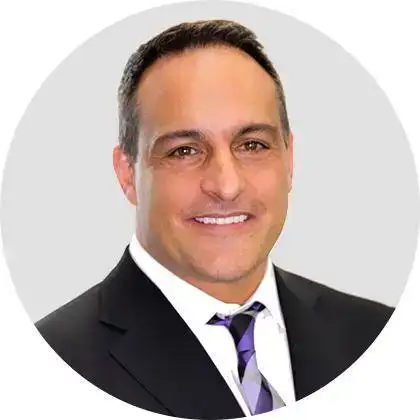
Dr. Craig Jonov is a board-certified cosmetic surgeon based in Lynnwood, serving the Seattle area. With extensive training in facial, breast, and body procedures, he combines surgical expertise with artistic precision to achieve natural-looking results. Dr. Jonov also specializes in advanced injectable treatments and non-surgical rejuvenation techniques. Recognized for his commitment to safety and innovation, he is an active member of leading cosmetic surgery organizations and is dedicated to providing personalized care tailored to each patient’s goals.