
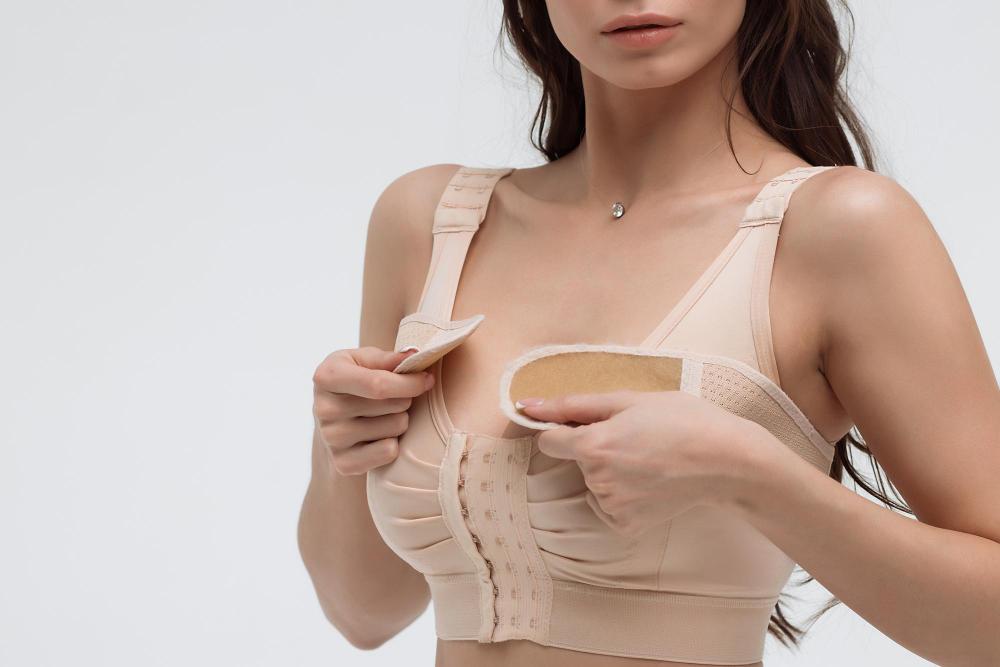
After Breast Augmentation, your body naturally forms a thin layer of scar tissue around the implant as part of healing. In most patients, this capsule stays soft and flexible, allowing the breasts to look and feel natural.
- What is Capsular Contracture?
- Why Does Capsular Contracture Happen?
- Who Is Most at Risk for Capsular Contracture?
- How to Avoid Capsular Contracture?
- Does Implant Placement Affect Capsular Contracture Risk?
- Silicone vs Saline Implants: Does Implant Type Matter?
- How Do I Know If I Have Capsular Contracture?
- Baker Grading System Explained
- How Is Capsular Contracture Diagnosed?
- What are the Treatment Options for Capsular Contracture?
- What Happens During Breast Implant Revision?
- How Long After Breast Augmentation Can Capsular Contracture Occur?
- Myths vs Facts About Capsular Contracture
- Questions to Ask Before Breast Augmentation
- When Should a Plastic Surgeon Be Contacted?
- Clinical Perspective from Seattle Plastic Surgery
- Conclusion
- Ready to Learn More?
- FAQs
Capsular Contracture occurs when the scar tissue around the implant tightens and thickens, which can alter the breast’s appearance-making it look different or feel firm-and may cause discomfort or changes in sensation, affecting overall satisfaction.
At Seattle Plastic Surgery, Dr. Craig Jonov and Dr. Tarak H. Patel assess how capsular contracture has affected your breast implants, including changes in firmness, position, shape, or comfort. They consider your previous augmentation details, current symptoms, and desired outcome to recommend options such as capsule removal, implant exchange, or revision surgery when appropriate. It’s important to discuss the possibility of recurrence and ongoing monitoring after treatment.
Quick Answer:
Avoiding capsular contracture starts with selecting an experienced surgeon who uses sterile techniques and appropriate implant placement. Following all recovery instructions, attending follow-up appointments, and watching for early warning signs also play important roles.
What is Capsular Contracture?
Every time a foreign object enters the body, the immune system responds. After Breast Augmentation surgery in Seattle, the body creates a protective barrier of scar tissue around the breast implant. This barrier is called a capsule, and in most cases, it stays soft and flexible. The implant sits comfortably inside, and the breast looks and feels natural.
Capsular Contracture happens when this scar tissue around the breast implant begins to tighten. Instead of remaining soft, the capsule thickens and becomes firm. As it contracts, it can squeeze the implant, causing the breast to feel hard or look different. Some patients notice mild firmness, while others may experience significant changes in breast shape or even discomfort.
Why Does Capsular Contracture Happen?
Understanding what may trigger Capsular Contracture can help patients make informed decisions about their care. While the exact cause remains under investigation, several factors appear to play a role.
Foreign Body Response
The human body naturally reacts to anything foreign. Breast implants, whether silicone or saline, trigger an immune response. In most patients, this response remains controlled. In others, the body may produce excessive scar tissue, leading to hardening of the breast implants.
Bacterial Contamination and Biofilm Theory
One of the most studied theories involves bacteria. Even when surgical techniques are perfect, tiny amounts of bacteria can sometimes attach to the implant surface during surgery. These bacteria may form a thin layer called biofilm. Over time, this biofilm can cause low-grade inflammation that triggers the capsule to thicken and contract. This is one reason why sterile surgical techniques are so important.
Excessive Inflammation
Inflammation is the body’s natural healing response. However, too much inflammation after surgery may contribute to thicker scar tissue formation. Factors that increase inflammation, such as breast implant infection, bleeding around the implant, or tissue trauma during surgery, may increase the risk of Capsular Contracture.
Bleeding Around the Implant (Hematoma)
When blood collects around an implant after surgery, it can irritate the surrounding tissue. This irritation may lead to increased scar tissue production. Surgeons take great care to control bleeding during and after surgery to minimize this risk.
Genetic Factors
Some people simply produce more scar tissue than others. Patients who tend to scar heavily or who have developed keloids may have a higher chance of experiencing Capsular Contracture. Genetics can influence how the body responds to implants.
Previous Radiation Therapy
Radiation treatment to the chest area, often given for breast cancer, can change how tissues heal. Irradiated skin and tissue may be more prone to developing thick scar capsules. Patients with a history of radiation should discuss this with their surgeon before Breast Augmentation.
Smoking
Smoking reduces blood flow to tissues and impairs healing. Poor blood circulation can increase inflammation and affect how the body forms scar tissue. Most surgeons recommend stopping smoking well before any breast surgery.
Implant Rupture
If an implant ruptures, particularly a silicone implant, the leaked material can irritate surrounding tissue. This irritation may trigger an inflammatory response that leads to capsule thickening over time.
Research published in the medical literature continues to explore factors that may contribute to the development of Capsular Contracture.
Who Is Most at Risk for Capsular Contracture?
While anyone with breast implants can potentially develop Capsular Contracture, certain factors may increase the likelihood. Understanding personal risk can help patients and surgeons plan accordingly.
|
Risk factor |
Risk level |
Can it be reduced? |
|
Smoking |
Higher |
Yes, by quitting before surgery |
|
Diabetes |
Moderate to Higher |
Partially, through blood sugar control |
|
Previous Radiation |
Higher |
No, but awareness helps planning |
|
Previous Breast Surgery |
Moderate |
Partially, through careful technique |
|
History of Breast Implant Infection |
Higher |
Yes, with prevention strategies |
|
Autoimmune Disease |
Potentially Higher |
Partially, with medical management |
|
Poor Wound Healing |
Higher |
Partially, through proper aftercare |
|
Over the Muscle Implants |
Potentially Higher |
Yes, by choosing appropriate placement |
How to Avoid Capsular Contracture?
Learning how to avoid capsular contracture involves understanding what happens before, during, and after surgery. Each phase offers opportunities to reduce risk.
Before Surgery
A surgeon will consider factors such as breast anatomy, implant goals, and breast implant placement when creating a personalized plan. Maintaining good health and avoiding smoking before surgery may support better healing.
During Surgery
Surgical techniques, including careful tissue handling, a clean surgical environment, bleeding control, and the choice of implant position, may influence healing around the implant. The choice between under-the-muscle implants and over-the-muscle implants depends on each patient’s needs.
After Surgery
Following breast implant revision recovery instructions, wearing support garments, and attending follow-ups can help patients feel supported and reassured throughout their healing process.
Does Implant Placement Affect Capsular Contracture Risk?
Breast implant placement refers to where the implant sits in relation to the chest muscle. The two main options are over-the-muscle implants (subglandular) and under-the-muscle implants (submuscular or dual-plane).
Over-the-Muscle Implants
With subglandular placement, the implant sits between the breast tissue and the pectoral muscle. This position may result in a shorter recovery time and can look natural in patients with adequate breast tissue coverage.
However, some studies suggest that over-the-muscle implants may have a slightly higher rate of Capsular Contracture than submuscular implants. With less muscle coverage, the implant has more direct contact with breast tissue and potentially more exposure to bacteria from breast ducts.
Under the Muscle Implants
Submuscular placement positions the implant partially or completely beneath the pectoral muscle. The under-the-muscle implants provide an additional layer of coverage, which can result in a more natural slope and reduced visibility of implant edges.
Muscle implants may have a lower risk of Capsular Contracture in some patients. Muscle tissue provides a better blood supply to the area and creates greater separation between the implant and breast tissue.
The dual-plane technique combines the benefits of both approaches. The upper portion of the implant sits beneath the muscle, while the lower portion comes into direct contact with breast tissue. This can provide natural movement and shape while maintaining some protective muscle coverage.
Silicone vs Saline Implants: Does Implant Type Matter?
Patients often wonder whether silicone implants or saline implants carry different risks of capsular contracture.
|
Factor |
Silicone Implants |
Saline Implants |
|
Feel |
Softer, more natural |
Firmer |
|
Capsular Contracture Risk |
Similar in modern implants |
Similar in modern implants |
|
Rupture Detection |
Requires imaging |
Immediately visible |
|
Shell Texture Options |
Smooth or textured |
Smooth or textured |
Earlier generations of silicone implants were associated with higher complication rates, but modern cohesive gel implants (often called “gummy bear” implants) have improved significantly.
How Do I Know If I Have Capsular Contracture?
Many patients wonder how to know if they have capsular contracture after noticing that one breast feels different from the other or changes after the initial recovery period. Some firmness is expected while the body heals, but changes that appear later or continue to worsen may need to be checked by a plastic surgeon.
Early Signs to Watch For
Early symptoms of Capsular Contracture may be subtle. A breast may feel firmer than before, or the implant may feel tighter within the breast. Some patients notice that the breast sits slightly higher, looks rounder, or does not move as naturally as it did after healing.
Mild discomfort or a feeling of pressure may also occur. Since these changes can happen slowly, they are sometimes difficult to notice at first. Comparing the current appearance and feel of the breast with the months after surgery can help identify changes.
More Noticeable Symptoms
As Capsular Contracture progresses, the breast may feel increasingly firm or hard. Some patients describe this as breast implant hardening or feeling like the breast implant feels hard compared with the other side.
Visible changes may also develop, including a rounder shape, breast asymmetry, or the implant sitting in a different position. In some cases, discomfort or pain may occur, especially when pressure is placed on the breast.
Baker Grading System Explained
The Baker Classification is a system doctors use to describe the severity of Capsular Contracture. Understanding these grades can help patients communicate with their healthcare providers and understand treatment recommendations.
|
Grade |
Appearance | Feel | Pain |
Typical Treatment |
| Grade I |
Natural, soft |
Breast feels normal | None |
Usually none needed |
| Grade II |
Normal appearance |
Slightly firm | Usually none |
Observation, sometimes massage |
| Grade III |
Some visible distortion |
Firm | Often present |
May require capsulotomy or revision |
| Grade IV |
Obvious distortion |
Hard | Usually painful |
Implant Revision Surgery typically recommended |
How Is Capsular Contracture Diagnosed?
Diagnosing Capsular Contracture typically involves several steps.
Physical Examination
The surgeon will examine the breasts, feeling for firmness and noting any shape changes. Comparing both breasts helps identify asymmetry. The examination also checks for implant position, skin changes, and areas of tenderness.
Medical History Review
Understanding when symptoms started and how they have progressed provides important context. Previous surgeries, infections, or other complications are also relevant.
Imaging Studies
While Capsular Contracture is often diagnosed through physical examination, imaging can provide additional information.
Ultrasound can show the capsule thickness and detect fluid collections around the implant.
MRI is particularly useful for evaluating silicone implant integrity. It can detect ruptures that may contribute to capsule problems.
A mammogram may be recommended as part of routine breast health screening, though it is not specifically used to diagnose Capsular Contracture.
In most cases, an experienced surgeon can diagnose Capsular Contracture based on examination and patient history. Imaging helps confirm the diagnosis and plan treatment when surgery is being considered.
What are the Treatment Options for Capsular Contracture?
Treatment for Capsular Contracture depends on the severity and the extent of its impact on the patient. Options range from simple observation to surgical correction.
Observation
For Grade I or mild Grade II Capsular Contracture, no treatment may be necessary. If the breast looks and feels acceptable and there is no pain, watching and waiting can be appropriate. Regular follow-up appointments monitor for progression.
Medication
In some cases, medications like leukotriene inhibitors (originally developed for asthma) have been tried to treat Capsular Contracture. Results have been mixed, and this is not a standard treatment. Medications work better for mild cases and are unlikely to resolve advanced contracture.
Ultrasound-Assisted Therapy
Some practices offer ultrasound lymphatic massage as a non-surgical option. At Seattle Plastic Surgery, this therapy is sometimes used after breast surgery to support healing and may help with mild Capsular Contracture symptoms. Evidence for this treatment continues to evolve, and it may not be effective for all patients.
Capsulotomy
A capsulotomy involves surgically releasing the tight capsule without removing it entirely. The surgeon makes cuts in the scar tissue to allow the implant more room. This can be done as an open procedure during surgery or, in some cases, through a closed technique without incisions (though closed capsulotomy is less commonly performed today due to concerns about implant damage).
Capsulectomy
A capsulectomy involves surgically removing some or all of the scar capsule. This is more extensive than capsulotomy but removes the problematic tissue rather than just releasing it. Partial capsulectomy removes the front portion of the capsule, while total capsulectomy removes the entire capsule. En bloc capsulectomy removes the capsule and implant as a single unit.
Breast Implant Revision
Breast Implant Revision combines capsule treatment with implant exchange. The tight capsule is removed or released, and the old implant is replaced with a new one. This often provides the best long-term results for moderate-to-severe Capsular Contracture.
What Happens During Breast Implant Revision?
Breast implant revision surgery for Capsular Contracture typically involves several steps.
Removing Scar Tissue
The surgeon accesses the implant pocket, often through the original incision site when possible. The thickened capsule is then removed (capsulectomy) or released (capsulotomy) depending on the situation. Removing the problematic scar tissue addresses the cause of symptoms.
Pocket Adjustment
Sometimes the implant pocket needs modification. If the original pocket contributed to the problem, creating a new pocket in a different plane (for example, moving it from above the muscle to below it) may reduce the risk of recurrence.
Implant Exchange
The old implant is removed and examined. A new implant is then placed. This may be the same size and type, or patients may choose to change their implant at this time. Some patients take the opportunity to go larger, smaller, or switch from saline to silicone (or vice versa).
New Implant Position
The new implant is positioned carefully in the prepared pocket. The surgeon ensures proper placement before closing the incision.
Recovery
Recovery from implant revision surgery is similar to initial breast augmentation, though some patients report slightly longer healing times. Swelling and discomfort are normal. Most patients return to regular activities within a few weeks, with full recovery taking several months.
Expected Results
Breast Implant Revision for Capsular Contracture typically provides significant improvement in breast softness, shape, and comfort. While no surgery can guarantee permanent results, modern techniques have reduced recurrence rates compared to earlier approaches.
How Long After Breast Augmentation Can Capsular Contracture Occur?
First Few Weeks to Months
Early Capsular Contracture is uncommon but can occur, particularly if there was a complication like infection or hematoma. Firmness during this period is often due to normal swelling, so careful evaluation is needed.
Six Months to Two Years
This is a common window during which Capsular Contracture can develop. The capsule has formed and matured, and contracture may become noticeable if it occurs. Many cases that develop are diagnosed within the first two years.
Three to Ten Years
Capsular Contracture can still develop years after surgery. Some patients have implants for many years without problems before noticing changes. Ongoing monitoring remains important even when everything seems fine.
Beyond Ten Years
Late-onset Capsular Contracture is possible, though less common. Implant aging, rupture, or other changes may trigger capsule problems that were not present earlier. The main key signs to monitor at any time:
- Increasing firmness in one or both breasts
- Shape changes or asymmetry
- Discomfort or pain that was not present before
- Implant feels like it has moved
Regular breast self-exams and follow-up appointments with a plastic surgeon help catch changes early.
Myths vs Facts About Capsular Contracture
Misinformation about Capsular Contracture is common. Here are some frequently encountered myths corrected with facts.
Myth: Massage always prevents Capsular Contracture
Fact: Breast massage may help in some cases, but only when recommended by the surgeon. Incorrect technique or timing could potentially cause harm. Not all surgeons recommend massage, and it is not a guaranteed prevention method.
Myth: Every firm implant means Capsular Contracture
Fact: Swelling after surgery can cause temporary firmness. Some implant types feel firmer than others. Firmness that develops or worsens over time is more concerning than firmness in the early healing period.
Myth: Everyone with implants eventually gets Capsular Contracture
Fact: Many patients have breast implants for their entire lives without developing Capsular Contracture. While it is one of the most common breast implant complications, most implant patients never experience it.
Myth: Only silicone implants cause Capsular Contracture
Fact: Capsular Contracture can occur with both silicone implants and saline implants. The type of fill does not determine whether capsule problems will develop.
Myth: Capsular Contracture always requires surgery
Fact: Mild cases (Grade I and some Grade II) often require no treatment. Surgery is typically reserved for cases causing significant symptoms or cosmetic concerns.
Myth: Capsular Contracture means the implant is defective
Fact: Capsular Contracture is caused by the body’s response to the implant, not a defect in the implant itself. Even perfectly manufactured implants can trigger capsule problems in some patients.
Questions to Ask Before Breast Augmentation
Asking the right questions during consultation can help patients make informed decisions and potentially reduce the risk of Capsular Contracture. Here are questions worth discussing:
About Technique:
What breast implant placement is recommended for this specific situation?
Which incision location would be used, and why?
What sterile techniques are used to reduce contamination risk?
About Experience:
How often is Breast Augmentation performed at this practice?
What is the observed Capsular Contracture rate among patients?
How many revision surgeries are performed for Capsular Contracture?
About Complications:
What happens if Capsular Contracture develops?
Is Breast Implant Revision included in the surgical fee if needed within a certain timeframe?
What symptoms should prompt immediate contact?
About Follow-Up:
How often are follow-up appointments scheduled?
What long-term monitoring is recommended?
Are there specific breast implant recovery instructions to reduce Capsular Contracture risk?
About Implants:
What implant options would be appropriate for this anatomy and goals?
Do certain implants have different complication profiles?
What warranty coverage comes with the implants?
When Should a Plastic Surgeon Be Contacted?
Knowing when to seek evaluation can make a significant difference in outcomes. Contact a plastic surgeon if any of the following occurs:
- Sudden hardness in one or both breasts
- Increasing pain or discomfort that was not present before
- Shape changes or visible distortion
- Significant swelling after the initial healing period
- Redness or warmth over the breast
- Implant movement or shifting position
- Asymmetry that develops or worsens
- Fever or signs of infection
Clinical Perspective from Seattle Plastic Surgery
At Seattle Plastic Surgery, Dr. Craig Jonov and Dr. Tarak Patel bring decades of combined experience to every breast augmentation and breast implant revision procedure. Both surgeons are board-certified and have performed thousands of breast procedures.
Breast implant recovery instructions are tailored to the procedure performed and the patient’s specific needs. Follow-up care includes monitoring for signs of complications, such as early Capsular Contracture.
For patients experiencing breast implant complications or symptoms of Capsular Contracture, the surgical team offers comprehensive evaluation and treatment options. Whether observation, non-surgical therapy, or implant revision surgery is most appropriate depends on the individual.
Conclusion
Capsular Contracture is one of the most common concerns patients have after Breast Augmentation, but not everyone who gets breast implants will experience it.
Reducing the risk begins before surgery by choosing a skilled surgeon and properly preparing the body. It continues during surgery through sterile technique and careful implant placement. After surgery, following breast implant recovery instructions and attending follow-up visits matter just as much.
Knowing how to know if I have capsular contracture helps patients catch early signs like unusual firmness, tightness, or subtle shape changes.
For patients who develop capsular contracture, the appropriate treatment depends on its severity. Some mild cases only need observation. More advanced cases may benefit from capsulectomy, implant exchange, or a full breast implant revision to remove the scar tissue and restore comfort.
Ready to Learn More?
Seattle Plastic Surgery offers consultations for both Breast Augmentation and Breast Implant Revision. Dr. Craig Jonov and Dr. Tarak Patel welcome questions about Capsular Contracture risk, prevention strategies, and treatment options. Contact 206-350-7606 to schedule an appointment.
FAQs
What is Capsular Contracture?
Capsular Contracture is a condition in which the scar tissue around the breast implant tightens, compressing the implant. This can cause the breast to feel firm or hard and may change its shape. The body naturally forms a capsule around any breast implant, but in Capsular Contracture, this capsule becomes abnormally thick and contracted.
How do I know if I have Capsular Contracture?
The common signs include a breast that feels hard or increasingly firm, changes in breast shape, tightness or discomfort, and visible distortion. The breast may appear rounder or sit higher than before. If a breast implant feels hard compared to how it felt after initial healing, evaluation by a plastic surgeon is recommended.
Is Capsular Contracture painful?
Pain varies by severity. Grade I and II Capsular Contracture cause little to no pain. Grade III may involve discomfort, particularly with pressure. Grade IV is often painful, with the hard capsule constantly squeezing the implant.
Can massage prevent Capsular Contracture?
Breast massage may help keep the capsule soft in some patients, but it should only be performed if specifically recommended by the surgeon. Not all surgeons recommend massage, and there is no guarantee it will prevent Capsular Contracture. Technique and timing matter.
Does implant placement affect the risk?
Research suggests that under-the-muscle implants (submuscular placement) may have a somewhat lower rate of Capsular Contracture compared to over-the-muscle implants (subglandular placement). However, the best placement depends on individual anatomy and goals.
Do silicone implants cause more Capsular Contracture?
Current evidence does not show a significant difference in Capsular Contracture rates between modern silicone implants and saline implants. Earlier generation silicone implants had higher complication rates, but modern cohesive gel implants have improved safety profiles.
Can Capsular Contracture return after revision surgery?
Yes, recurrence is possible. The body will form a new capsule around any new implant. However, surgical techniques such as changing implant placement, performing a thorough capsulectomy, and other strategies may help reduce the risk of recurrence.
How long does Breast Implant Revision recovery take?
Recovery from implant revision surgery involves one to two weeks of limited activity, with most patients returning to normal routines within four to six weeks. Full healing may take several months. Recovery time varies based on the extent of surgery and individual healing.

Dr. Craig Jonov is a board-certified cosmetic surgeon based in Lynnwood, serving the Seattle area. With extensive training in facial, breast, and body procedures, he combines surgical expertise with artistic precision to achieve natural-looking results. Dr. Jonov also specializes in advanced injectable treatments and non-surgical rejuvenation techniques. Recognized for his commitment to safety and innovation, he is an active member of leading cosmetic surgery organizations and is dedicated to providing personalized care tailored to each patient’s goals.