
Hair loss can affect both men and women, leading to thinning hair, receding hair line, or bald patches on the scalp. Up to 80 million Americans are affected by hair loss at some point of their life. For men, age related hair thinning is widespread. About two-thirds of men have, or will notice hair loss by the age of 35. By 50, around 85% have noticeable thinning or loss of hair.
Women are affected too. Many of them are experiencing thinning, reduced volume, or diffuse hair loss as they age. This will lead to a lifetime of hair thinning or pattern hair loss. So, it’s normal if you’re noticing these early changes. Fortunately, we live in the world of innovations. If you want a treatment that looks natural and doesn’t involve surgery, nano fat hair restoration is one of the options.
At Seattle Plastic Surgery, we offer nano fat hair restoration as a minimally invasive & tissue‑based treatment. It uses a tiny amount of your own fat to support fuller‑looking hair. Let’s learn in detail, how this treatment adds fullness to the head of hair.
What Is Nano Fat Hair Restoration?
Nano fat hair restoration is a regenerative hair procedure that uses your fat and processes into a smooth, cell-rich fluid. A small amount of fat is taken from a part of your body. It could be your abdomen or thighs. Then, it is refined into nano fat, and injected back into areas of hair loss on the scalp.
Once processed, nano fat no longer acts like regular fat used for contouring. Instead, it contains regenerative cells and growth factors. It helps improve blood flow, reduce inflammation, and create a healthier environment around miniaturized hair follicles. Research on autologous fat grafting and adipose-derived cells suggests that this type of tissue may support hair re-growth. Additionally, it improves scalp quality in people with androgenetic alopecia. Rather than moving follicles like a transplant, nano fat therapy is about supporting the hair you still have.
How Nano Fat Hair Restoration Works?
Nano fat hair restoration combines small‑volume liposuction with advanced processing and precision scalp injections. At Seattle Plastic Surgery, the process generally includes:
1. Gentle Fat Harvest
After numbing a donor area, often the abdomen or flanks, a small amount of fat is collected using a fine cannula and low‑pressure liposuction techniques. The goal is to remove just enough tissue for treatment while keeping discomfort and downtime to a minimum.
2. Creating Nano Fat
The harvested fat is then processed into nano fat using specialized filters and equipment. This breaks the fat into extremely small particles and concentrates beneficial components like regenerative cells and growth factors. The resulting solution is thin enough to pass through fine needles and micro‑cannulas for even placement in the scalp.
3. Targeted Scalp Injections
Once prepared, the nano fat is injected into areas of thinning such as:
- Frontal hairline and temples
- Part line and mid‑scalp
- Crown/vertex
Seattle Plastic Surgery typically uses around 50 mL of nano fat to create a uniform, supportive layer in the scalp tissue.
4. The Regenerative Phase
Over the following months, the nano fat works behind the scenes. By nourishing the scalp and signaling to weakened follicles, it may help:
- Improve the hair‑growth environment
- Support thicker individual strands
- Enhance overall coverage and density
Results are gradual and subtle. Many patients notice early changes in texture or volume within a few months, and continued improvement out to 9-12 months.
What are the Benefits of Nano Fat Hair Restoration?
Patients choose nano fat hair restoration in Seattle for several key reasons:
- Natural & autologous: The treatment uses your own tissue, reducing the risk of allergic reactions or foreign‑body responses.
- Minimally invasive: Only a small amount of fat is harvested, and scalp injections are performed through tiny entry points, no long incisions or stitches.
- Scalp‑focused approach: Rather than rearranging follicles, nano fat aims to improve scalp health and hair shaft quality, which can make hair look thicker and more resilient.
- One‑visit convenience: Many candidates complete treatment in a single session instead of returning for multiple monthly visits.
- Compatible with other therapies: Nano fat can be combined with PRP (platelet‑rich plasma), medications, or hair transplant surgery as part of a long‑term hair restoration plan.
Nano fat offers middle ground for:
- patients who want something more powerful than shampoos and supplements,
- but are not ready for, a full hair transplant
Who Is a Good Candidate?
Nano fat hair restoration works best for people who still have a reasonable amount of hair in the treatment zone. You may be a good candidate if you:
- have early to moderate thinning at the hairline, temples, part line, mid‑scalp, or crown
- want a natural, minimally invasive option that uses your own tissue
- prefer subtle, progressive improvement rather than a sudden, dramatic change
- have a small amount of donor fat available (most adults do)
- are in generally good health with realistic expectations
Nano fat alone is usually not ideal if you are:
- completely bald in the target area
- have scarring alopecia
- uncontrolled medical issues
- or active infection on the scalp.
In your consultation, our providers will review your history, medications, and pattern of hair loss. After that, you will be suggested to go for either nano fat, PRP, transplant, or a combination, if that makes the most sense.
Your Nano Fat Hair Restoration Experience at Seattle Plastic Surgery
Seattle Plastic Surgery is known for combining advanced techniques with a patient‑centered approach. Here’s what a typical nano fat hair restoration journey looks like:
1. Personalized Consultation
Your visit begins with a detailed consultation. Your provider will:
- Map areas of thinning on your scalp
- Review your medical and hair‑loss history (including family history and medications)
- Discuss previous treatments you’ve tried
- Talk through your goals, whether it’s reinforcing your hairline, filling in the part, or supporting density at the crown
Together, you’ll decide whether nano fat alone, or nano fat combined with PRP or hair transplantation, is the best strategy for you.
2. Day of Treatment
On treatment day:
- A donor area (often abdomen or flanks) is numbed for mini‑liposuction
- A small volume of fat is collected and processed into nano fat
- The scalp is numbed with local anesthetic
- Nano fat is injected in a grid‑like pattern across thinning areas
The session generally takes about one to two hours, depending on the extent of thinning. Most patients go home the same day.
3. Aftercare & Follow‑Up
You’ll receive clear instructions about:
- Washing your hair and caring for the donor site
- Avoiding heavy exercise and direct trauma to the scalp for a short period
- Follow‑up visits to monitor progress and decide if complementary treatments might enhance your result
Most people return to desk work and normal daily activities fairly quickly, with only mild temporary soreness or swelling at the scalp and donor site.
Recovery and Results: What to Expect
Recovery after nano fat hair restoration is typically short and manageable:
- First few days: Mild tenderness, swelling, or redness at the scalp and liposuction area
- First week: Many patients feel comfortable returning to work and regular social activities
- First 1–3 months: Early changes may include improved hair texture or less shedding
- 3–12 months: Ongoing improvements in density and coverage as follicles move through growth cycles
Our providers will review what you can reasonably expect in your specific case and may recommend supportive measures. These may include medical hair therapies, scalp care, or PRP to maintain and enhance results over time.
How to Decide Between Nano Fat vs.Other Hair Restoration Options?
Many people considering nano fat injections have already heard about other hair‑loss treatments. Here’s how nano fat compares:
Nano Fat vs. PRP
Both are injection‑based and use your own biology. PRP relies on platelet‑rich plasma from your blood; nano fat adds the potential benefits of fat‑derived regenerative cells and growth factors. PRP often requires a series of treatments, while nano fat is frequently done in a single session.
Nano Fat vs. hair transplant
A transplant redistributes follicles from the back of the scalp to bald areas. Nano fat doesn’t move follicles, it supports the follicles already in place. Many patients use nano fat before or after transplant to improve scalp quality and complement surgical results.
Nano Fat vs. medications
Medications like minoxidil or finasteride can help in some cases, but they require ongoing daily use and may have systemic side effects. Nano fat is a local, one‑time (or occasional) procedure that can be combined with or used instead of medications depending on your needs and your doctor’s guidance.
The best plan is often multimodal. Our Seattle Plastic Surgery provider will tailor a strategy based on your pattern of loss, age, goals, and lifestyle.
Schedule Your Consultation Today & Get Fuller Hair at Seattle Plastic Surgery
Seattle Plastic Surgery is a trusted destination for hair restoration in Seattle, offering a full spectrum of options. To explore whether this treatment is right for you, you can connect with our team by calling us at 206-324-1120, or online contact form, live chat, or the Price Simulator™ on our website.
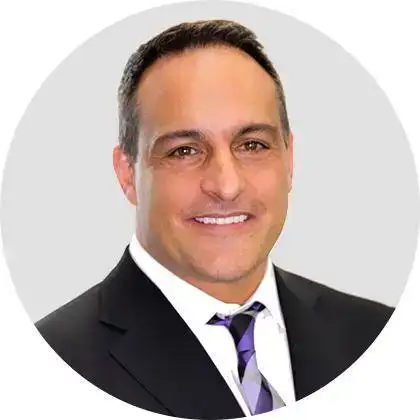
Dr. Craig Jonov is a board-certified cosmetic surgeon based in Lynnwood, serving the Seattle area. With extensive training in facial, breast, and body procedures, he combines surgical expertise with artistic precision to achieve natural-looking results. Dr. Jonov also specializes in advanced injectable treatments and non-surgical rejuvenation techniques. Recognized for his commitment to safety and innovation, he is an active member of leading cosmetic surgery organizations and is dedicated to providing personalized care tailored to each patient’s goals.