

$2,995
Procedure Time: 1-2 hours
Recovery Time: 2-4 weeks
Even with consistent exercise and a healthy diet, some people are simply predisposed to store fat around the knees. These small fat pads often at the inner knee can soften leg definition and make the transition from thigh to calf look less streamlined. For doing this, liposuction on knees is a targeted body-contouring option designed to reduce these stubborn pockets and refine leg shape.
At Seattle Plastic Surgery, our approach to knee liposuction starts with an expert evaluation and a personalized plan, because not every fullness around the knees is just stubborn fat, and not every patient benefits from jumping straight to surgery. In some cases, we may recommend a medical assessment first to rule out underlying causes of swelling or contour concerns. Taking that step first helps protect your health and supports the best possible outcome from liposuction on knees.
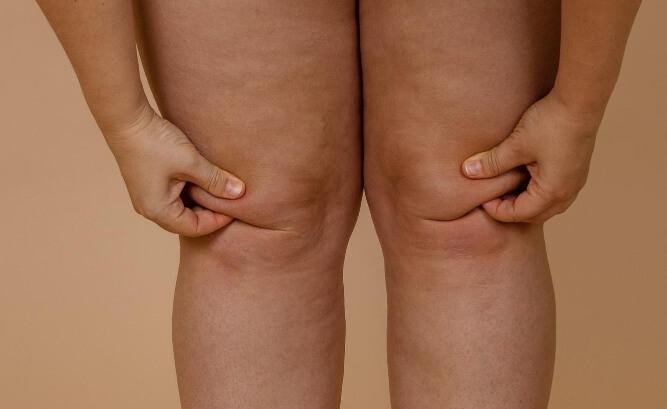
What is Knee Liposuction?
Knee liposuction is a surgical procedure that removes localized fat deposits around the knee, most commonly the inner knee, and sometimes the outer knee as well. Through tiny incisions, a thin tube (cannula) loosens and suctions out fat to improve contour (it is not a weight-loss treatment). Knee liposuction is also frequently paired with thigh liposuction to create a cohesive, tapered result.
Results are considered long-lasting when you maintain a stable weight and healthy habits, though remaining fat cells can still expand with significant weight gain.
Which Knee Areas Can Be Treated?
Most patients request treatment for the inner knee, where a pocket of fat can create a bulge between the thighs or interrupt a smooth thigh-to-calf line. Depending on your anatomy, your surgeon may also contour the outer knee. We list knees among common liposuction treatment areas, and describe addressing both inner and outer knee deposits when appropriate.
Who is a Good Candidate for Liposuction on Knees?
A consultation is essential to confirm that liposuction on knees can meet your goals safely. In general, good candidates tend to be in good overall health, non-smokers, close to their goal weight, and have reasonably good skin elasticity. Many liposuction candidates are within about 25 pounds of their goal weight.
Knee liposuction may not be ideal if you’re actively trying to lose a significant amount of weight, have major weight fluctuations, or have significant skin laxity. Liposuction also doesn’t reliably eliminate cellulite or tighten loose skin.
How Does Knee Liposuction Work?
While every plan is individualized, most procedures follow a similar flow:
- Anesthesia: Knee liposuction may be performed under local or general anesthesia depending on your plan. Many liposuction procedures are performed under general anesthesia with licensed anesthesia providers monitoring throughout.
- Tumescent technique: A common approach is tumescent liposuction, where a solution is infused into the fat before suctioning. Tumescent fluid as a mix of lidocaine, epinephrine, and saline, used to improve comfort, make suctioning easier, and help reduce bleeding/bruising.
- Targeted fat removal: A cannula is used through micro-incisions to remove fat and refine shape. The use of micro-cannulas (and their small incisions), which can support careful, precise contouring.
- Compression & discharge: This is typically an outpatient procedure, so you go home the same day with post-op instructions and a responsible adult to drive you.
Recovery and Results
- Swelling & bruising are normal, especially during the first 1-2 weeks.
- Swelling may peak around week 2, then gradually improves over the following weeks.
- Compression garments may be needed for up to 6 weeks:
- Wear full-time at first
- Then switch to part-time as swelling decreases
- Activity restrictions:
- Avoid strenuous exercise initially
- You may be advised to pause workouts and usual activities for a couple of weeks
- Return to activity gradually based on comfort and provider guidance
- Results take time:
- Early shape changes happen as swelling goes down
- Final contour can take months as tissues settle and refine
- Helpful recovery habits:
- Gentle walking to support circulation
- Leg elevation to reduce swelling
- Consistent compression to support healing
- Lymphatic drainage & ultrasound massage may be recommended to help with fluid buildup and comfort
Contact Us
What Changes Can You Expect Before vs. After Knee Liposuction?
Knee liposuction before and after photos often show subtle refinement, especially at the inner knee where a pocket of fat can interrupt a smooth thigh-to-calf line. Improvements may include a slimmer inner knee contour and a more balanced leg silhouette.
Because swelling can linger, early photos aren’t final. Your surgeon can help you understand what timeline to expect and whether combining knee liposuction with thigh liposuction will best match your goals.
How Much Does Knee Liposuction Cost?
Knee liposuction cost depends on how many areas are treated (knees alone vs. knees & thighs), anesthesia, facility fees, and the complexity of the contouring work.
- The American Society of Plastic Surgeons reports an average liposuction surgeon’s fee of $4,711 (not including anesthesia or operating room costs.
- At Seattle Plastic Surgery, the procedure’s cost is listed as $2,995 for the first area and $1,999 for each additional area, with an estimated procedure time of 1-3 hours and recovery time listed as 1 week.
Surgical vs. Non-Surgical Options for Knee Liposuction
For very small pockets of fat, or for patients who want to avoid surgery, we offer a non-surgical option that uses injections of deoxycholic acid to break down small areas of fat. Their website lists knees as a possible treatment area and notes that multiple sessions may be needed depending on response and goals. A consultation can help you decide whether surgical knee liposuction or a non-surgical approach best fits your timeline and expectations.
Risks and Safety
Common short-term effects include swelling, bruising, and temporary numbness or discomfort. Potential complications can include:
- fluid collections (seromas)
- infection
- excessive bleeding
- nerve or blood vessel damage
- blood clots
- and uneven contour
particularly if too much fat is removed.
Take the Next Step
If you’re considering knee liposuction, schedule a consultation with Seattle Plastic Surgery to review your goals, assess your anatomy, and build a treatment plan designed for natural-looking, balanced results. Call us at 206-324-1120 or visit Seattle Plastic Surgery for more information.
FAQs
1. How much does knee liposuction cost?
Knee liposuction cost depends on your location, the surgeon’s experience, and whether you’re treating the inner knees only or combining areas. Inner knee liposuction usually costs less than treating multiple areas. The best way to know your exact cost is an in-person consultation.
2. Is knee liposuction dangerous?
Knee liposuction is generally safe when done by a qualified, experienced surgeon in a proper medical setting. Like any surgery, it has risks such as infection, bleeding, uneven results, fluid buildup, or blood clots. Your medical history and aftercare play a big role in safety.
3. What is knee liposuction recovery like, and when will I see before-and-after results?
Most people have swelling and bruising for the first 1-2 weeks and may need compression for several weeks. Many return to light activities within a few days, but workouts usually wait a couple of weeks or more. “Before and after” results look better as swelling goes down, final results can take a few months.
Still Have Questions?
Give us a call at 206-739-0355. Chat by clicking the icon in the lower left hand corner of your screen. Additionally, you can Contact Us by filling out the form below.