
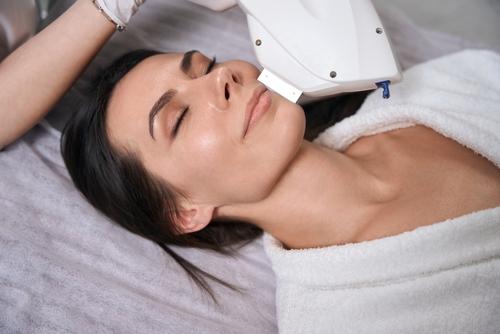
Visible signs of aging can appear gradually: sun spots that weren’t there before, redness that doesn’t fade, or uneven tone that makes skin look less vibrant. As these changes become more noticeable, people often start searching for treatments that don’t require surgery or downtime. Intense Pulsed Light (IPL) may show up during that search. Understanding how IPL works, what it can and cannot do, and where it fits within modern skincare helps clarify whether it’s a meaningful option for your long-term goals.
What Is IPL Technology?
Intense pulsed light therapy uses pulses of several types of light to treat multiple skin issues, distinguishing it from laser treatments that use a single wavelength. The technology uses intense pulses of non-coherent light over a range of wavelengths.
During treatment, light energy targets a certain color in skin, and when the skin is heated, your body gets rid of unwanted cells. The broad spectrum approach allows practitioners to use different filters to address various skin concerns during a single session.
IPL was initially developed for vascular conditions and has since expanded to include applications for skin rejuvenation.
What IPL Addresses in Aging Skin
IPL may address some visible damage caused by sun exposure, called photoaging, which typically appears on the face, neck, hands, and chest. IPL works by emitting high-intensity light that penetrates the skin and is absorbed mostly in the upper layers. This process can target various concerns including age spots, brown spots, sun damage, facial redness, fine blood vessels, and rosacea.
It can also be used as a photofacial to support superficial collagen activity. However, it’s important to understand that IPL primarily addresses color and texture concerns rather than deep structural changes.
The Role of Collagen in Skin Aging
Collagen serves as a fundamental structural protein in skin. According to research published by the National Institutes of Health, during the aging process, collagen production decreases while degradation increases, leading to wrinkles and reduced elasticity.
Heat energy involved in IPL starts some natural rejuvenation processes in skin, including collagen production, which often helps thicken and tighten upper layers of skin. This stimulation represents one of the ways IPL may contribute to skin rejuvenation beyond simply removing pigmented lesions.
However, collagen stimulation from IPL occurs gradually and may be subtle compared to more aggressive procedures specifically designed for collagen induction.
Who May Benefit From IPL
IPL works better on white or light brown skin than on darker skin. The Fitzpatrick skin type classification helps determine appropriate candidates, with Types I through III generally considered ideal. Ideal candidates typically have:
- Fair to light-medium skin tones
- Age spots, sun damage, or uneven pigmentation
- Realistic expectations about gradual improvement
- No recent sun exposure or tanning
Patients who are pregnant, have active skin infections, or have taken certain medications may need to postpone treatment.
IPL Vs. Other Anti-Aging Approaches
When considering anti-aging treatments, it’s helpful to understand how IPL compares to alternatives.
Laser treatments use single wavelengths and can achieve more dramatic results with fewer sessions, though they typically involve longer recovery.
Microneedling creates controlled micro-injuries to stimulate collagen, while radiofrequency treatments heat deeper tissue layers.
IPL’s broad-spectrum light allows practitioners to address larger surface areas and multiple concerns within a single session.
Injectable treatments like dermal fillers address volume loss and dynamic wrinkles through different mechanisms entirely. Many patients combine IPL with other modalities as part of a comprehensive approach.
Maintaining Results Long-Term
The longevity of IPL results depends on multiple factors including age, sun exposure, lifestyle habits, and skin condition. Because new sun damage and natural aging continue, maintenance treatments help preserve improvements.
Sun protection becomes particularly important after IPL treatment. Using broad-spectrum sunscreen daily, wearing protective clothing, and avoiding peak sun hours help maintain results and reduce the risk of new damage. A comprehensive skincare routine supporting collagen production and skin health complements IPL treatments.
Making an Informed Decision
When considering IPL for anti-aging purposes, several questions can guide your consultation:
- Based on my skin type and concerns, am I an appropriate candidate?
- What specific improvements can I realistically expect?
- How many treatments will likely be needed, and what’s the recommended schedule?
- What alternative or complementary treatments might better address my goals?
- What credentials and experience does the provider have with IPL?
IPL Laser Skin Treatment has earned its place in aesthetic medicine as a non-invasive option for addressing certain visible signs of aging, particularly those related to sun damage and pigmentation. However, individual results vary, and IPL may not address all aging concerns equally.
For Seattle patients exploring anti-aging options, IPL represents one of several approaches. At Seattle Plastic Surgery, our team will discuss your unique skin condition and recommend the most appropriate treatment plan for your goals. Call us at 206-202-1939 for a complimentary consultation.

Dr. Craig Jonov is a board-certified cosmetic surgeon based in Lynnwood, serving the Seattle area. With extensive training in facial, breast, and body procedures, he combines surgical expertise with artistic precision to achieve natural-looking results. Dr. Jonov also specializes in advanced injectable treatments and non-surgical rejuvenation techniques. Recognized for his commitment to safety and innovation, he is an active member of leading cosmetic surgery organizations and is dedicated to providing personalized care tailored to each patient’s goals.