
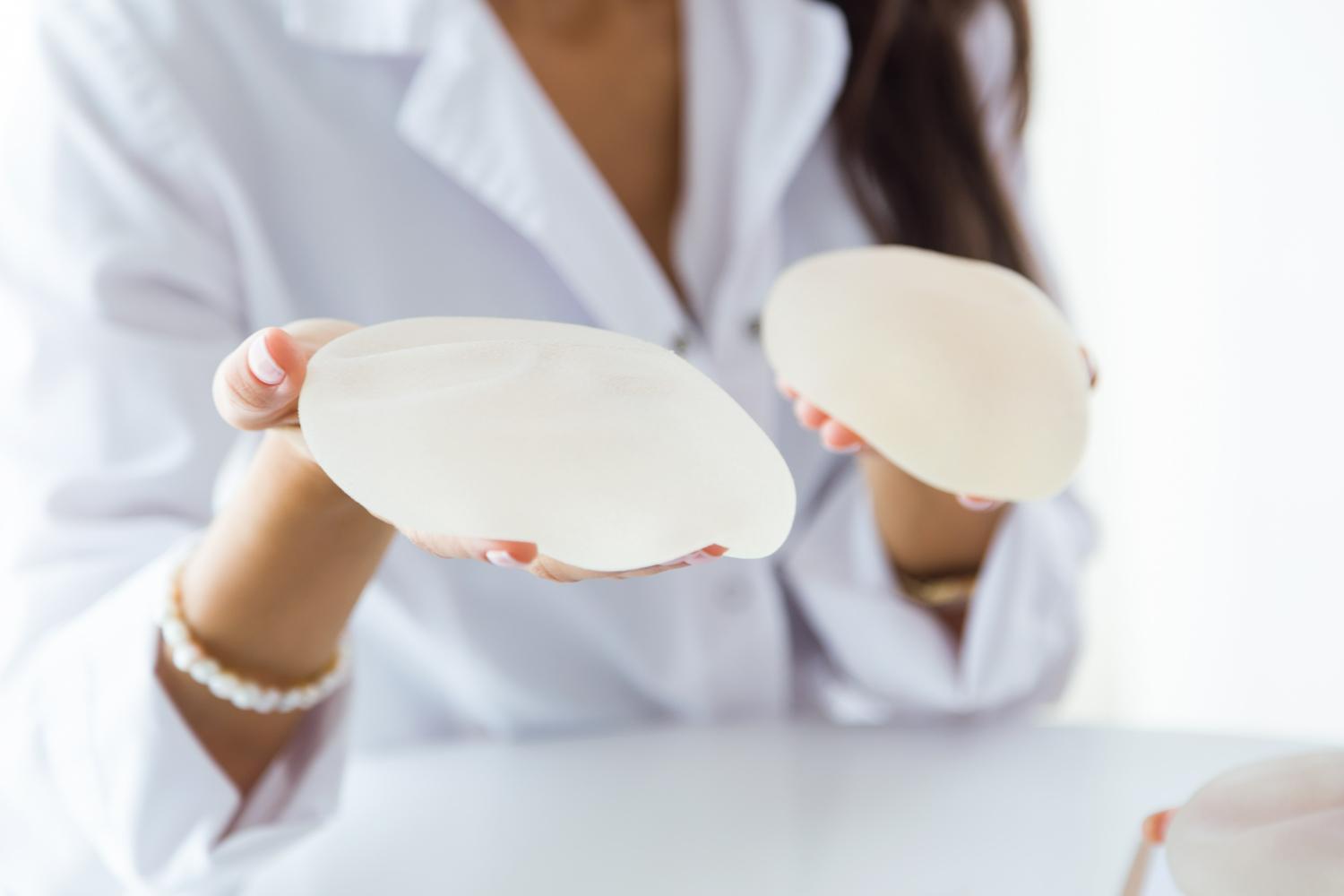
Choosing the right breast implant size can be challenging with so many options, measurements, and considerations available in the market. Making the wrong choice could lead to dissatisfaction with your results, the need for revision surgery, or implants that don’t match your natural body proportions.
Understanding the key factors in breast implant sizing and working with experienced plastic surgeons helps you select implants that enhance your natural beauty and meet your aesthetic goals.
Understanding Breast Implant Sizes and Measurements
Breast implant sizes are measured in cubic centimeters (cc) rather than traditional bra cup sizes. This measurement indicates the implant volume. Most implants range from 125cc to 800cc, though sizes outside this range are available for specific needs.
The relationship between cc measurements and cup sizes varies significantly based on your starting breast tissue, chest width, and body frame. Generally, a 125cc to 200cc increase corresponds to approximately one cup size, but this varies by person. Your surgeon at Seattle Plastic Surgery will help translate these measurements into realistic expectations for your specific body type.
According to the U.S. Food and Drug Administration, understanding implant specifications is critical to making an informed decision about breast augmentation.
Key Factors When Choosing Your Breast Implant Size
Body Frame and Chest Width
Your natural anatomy plays the biggest role in determining appropriate breast implant sizes. Chest width, shoulder breadth, and hip measurements all influence which implant dimensions will create balanced, proportional results. Wider chest walls accommodate larger implants more naturally, while narrower frames typically achieve better results with moderate sizes.
Current Breast Tissue
The amount of existing breast tissue affects both the implant size selection and the final appearance. Women with more natural breast tissue can often accommodate larger implants while maintaining a natural look. Those with minimal tissue may need to consider more conservative sizing to avoid visible implant edges or rippling.
Lifestyle and Activity Level
Your daily activities and exercise habits significantly impact implant size decisions. Athletes and highly active people often prefer moderate sizes that won’t interfere with physical activities. Think about how different breast implant sizes might affect your ability to participate in sports, yoga, running, or other regular activities.
Skin Elasticity and Quality
Skin elasticity determines how well your tissue can support and adapt to implants. Good elasticity allows for a wider range of size options, while less elastic skin may require smaller implants to prevent sagging or stretching over time. Your surgeon will assess skin quality during your consultation.
ALSO READ:
Professional Sizing Methods at Seattle Plastic Surgery
Rice Test Method
The rice test remains a valuable at-home tool for understanding breast implant size preferences. Fill stockings with measured amounts of rice (1 cup equals approximately 236cc) and place them in your bra. This simple method helps you experience different sizes during daily activities before making your final decision.
Implant Sizers During Consultation
During your consultation, you’ll try on special sizer implants that simulate different volumes. These sizers, worn in a surgical bra, provide the most accurate representation of how actual implants will look and feel on your body.
Breast Implant Profiles and Dimensions
Understanding Implant Profiles
Breast implants come in various profiles: low, moderate, moderate plus, high, and ultra-high. Profile refers to how far the implant projects from your chest wall. Higher profiles provide more projection with narrower bases, while lower profiles offer wider bases with less forward projection.
Width and Height Considerations
Beyond volume, implant width and height significantly impact final results. Your surgeon measures your breast base width to determine the maximum implant diameter that fits your anatomy. Selecting implants that match your natural breast width creates the most harmonious, proportional outcome.
Common Sizing Mistakes to Avoid
Focusing Solely on Cup Size
Cup sizes vary dramatically between bra manufacturers and styles. Requesting a specific cup size without thinking about your unique anatomy often leads to disappointment. Focus instead on overall proportion and how the size complements your entire figure.
Ignoring Professional Recommendations
While personal preferences matter, disregarding your surgeon’s anatomical limitations and recommendations can result in complications. Trust the expertise of board-certified surgeons who understand how different breast implant sizes interact with various body types. The American Board of Plastic Surgery provides resources to verify surgeons’ credentials.
Choosing Based on Others’ Results
What looks perfect on someone else may not suit your body. Every person’s anatomy, skin quality, and proportions differ. Make decisions based on your individual characteristics rather than trying to replicate another person’s results.
Recovery Considerations for Different Sizes
Larger implants typically require longer adjustment periods as your body adapts to the additional weight. Smaller to moderate sizes often allow for quicker recovery and return to normal activities. Discuss recovery expectations for your chosen size with your Seattle Plastic Surgery team.
The National Institutes of Health provides research on recovery timelines and post-surgical care that may help you understand what to expect.
Long-Term Satisfaction and Maintenance
Research shows that patients who choose breast implant sizes proportional to their natural anatomy report higher long-term satisfaction rates. Consider how your chosen size will age with your body and whether you’re prepared for future maintenance or replacement.
Making Your Final Decision
Take time to process all information before finalizing your breast implant size choice. Most patients benefit from multiple consultations to try different sizers and review 3D imaging results. Seattle Plastic Surgery encourages thorough consideration for confident, informed decisions.
Start Your Breast Augmentation Journey
Selecting the right breast implant size requires careful consideration of your anatomy, lifestyle, and aesthetic goals. Seattle Plastic Surgery’s experienced surgeons combine advanced technology with personalized consultation to guide you through this important decision.
Schedule your consultation today to explore breast implant sizes and receive expert recommendations tailored to your unique body. Call on 206-324-1120 to begin creating your ideal aesthetic outcome with confidence and professional support.
FAQs
What is the smallest breast implant size?
The smallest breast implant size typically available is 125cc, though some manufacturers produce implants as small as 100cc for specific reconstruction needs. These smaller sizes work well for subtle enhancements or for patients with very petite frames seeking natural-looking results.
How much do breast implants weigh?
Silicone implants weigh approximately 0.69 pounds per 300cc, while saline implants weigh about 0.63 pounds per 300cc. This weight difference becomes more noticeable with larger sizes.
Can I change my implant size later?
Yes, breast implant revision surgery allows you to change sizes if your preferences or circumstances change. However, choosing the right size initially reduces the need for additional surgeries.
Will breast implants affect mammogram screenings?
Breast implants require additional mammogram views but don’t prevent effective breast cancer screening. Inform your radiologist about your implants before screening. The Centers for Disease Control and Prevention provides detailed information about breast cancer screening guidelines.
How long do breast implants last?
Modern breast implants typically last 10 to 20 years, though many last longer without issues. Regular monitoring helps catch any potential problems early.

Dr. Craig Jonov is a board-certified cosmetic surgeon based in Lynnwood, serving the Seattle area. With extensive training in facial, breast, and body procedures, he combines surgical expertise with artistic precision to achieve natural-looking results. Dr. Jonov also specializes in advanced injectable treatments and non-surgical rejuvenation techniques. Recognized for his commitment to safety and innovation, he is an active member of leading cosmetic surgery organizations and is dedicated to providing personalized care tailored to each patient’s goals.